How Infrastructure Projects Affect Nearby Property Prices
- Nov 27, 2026
- Posted by: Tropical Homes
- Category: blog
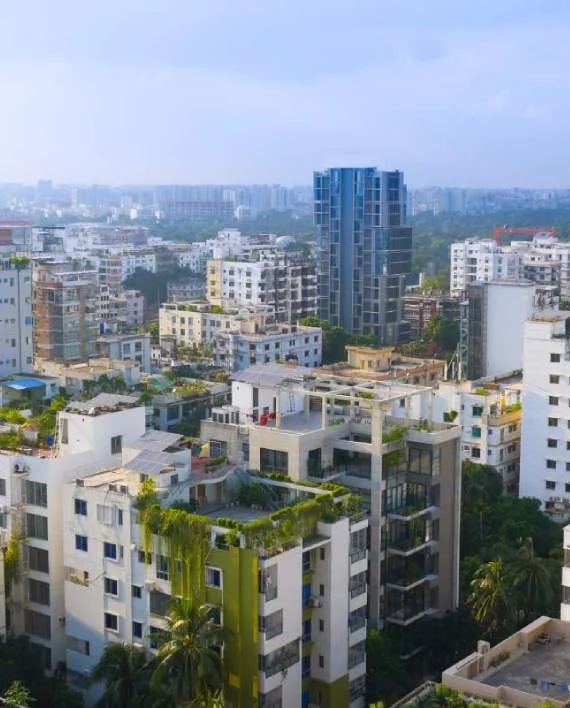
Infrastructure development plays a major role in the growth of Bangladesh’s real estate market. New roads, bridges, metro rail lines, expressways, and public facilities can change how people choose where to live. Areas that were once difficult to reach may become attractive to homebuyers and investors after new connections are built.
Dhaka provides several examples of this change. The Metro Rail has improved access to areas such as Uttara and Mirpur. The Padma Bridge has improved road connections between Dhaka and the southwestern districts. Major road projects are also changing how people travel across the capital.
These improvements can increase demand for nearby homes and land. However, the effect depends on several factors, including travel time, local facilities, land supply, and future development plans.
Understanding this connection helps buyers, investors, and property developers make better decisions. Here are the main ways infrastructure projects influence nearby property prices in Bangladesh.
Better Road Connections Increase Demand for Nearby Properties
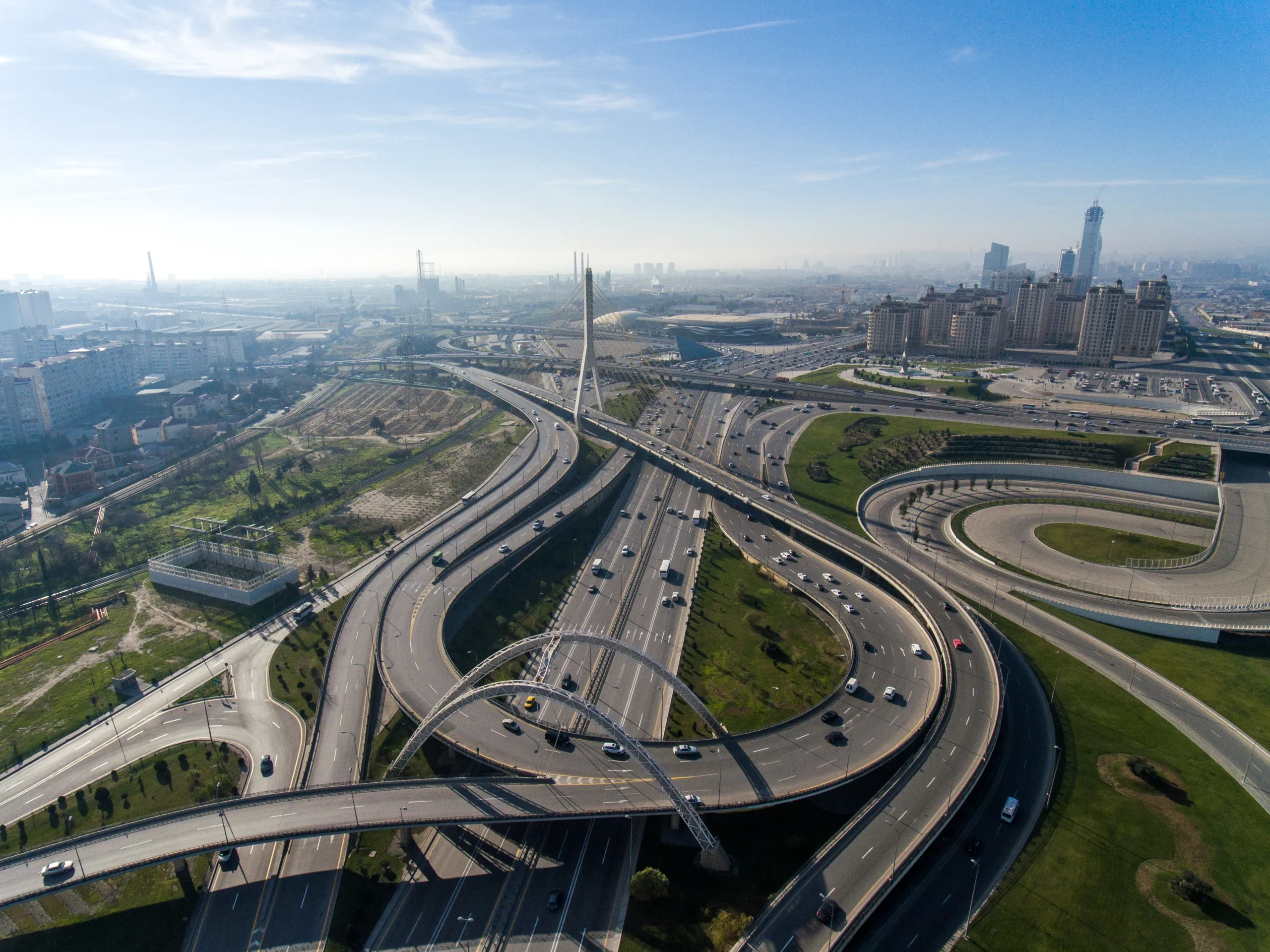
Road connectivity is one of the first factors buyers consider when choosing a property. A home with easy access to major roads can save time and reduce daily travel costs.
In Dhaka, traffic congestion makes this factor even more important. Many people prefer residential areas with direct access to major roads, highways, and business districts. New roads, flyovers, and expressways can improve this access. Areas that were once difficult to reach may become more attractive after travel routes improve.
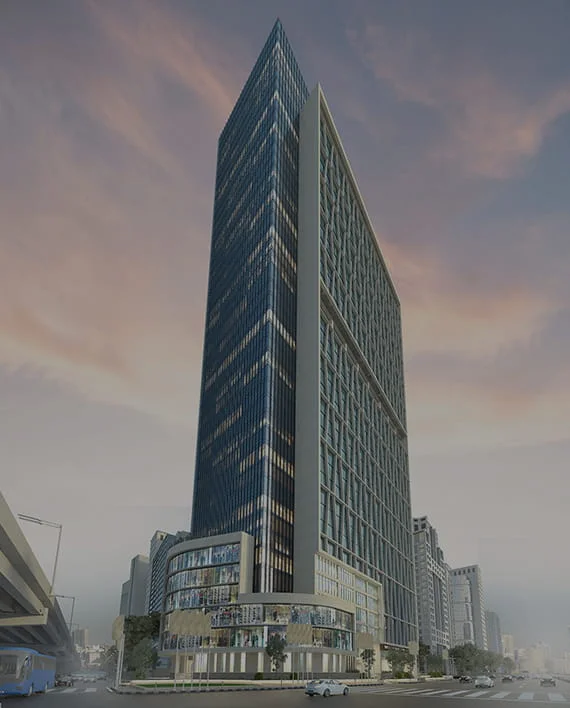
The Dhaka Elevated Expressway is an example of infrastructure development aimed at improving movement across the capital. It connects areas around the airport with other major parts of Dhaka and provides another travel route for commuters.
The Dhaka Elevated Expressway project is part of Bangladesh’s wider effort to improve urban transportation and road connectivity. Better road connections can attract more homebuyers, businesses, and developers. As demand increases, nearby land and apartment prices may also rise.
However, the distance from an access point matters. Properties with convenient connections to major roads may gain more interest than those located far inside poorly connected neighborhoods.
Metro Rail Stations Make Nearby Residential Areas More Valuable
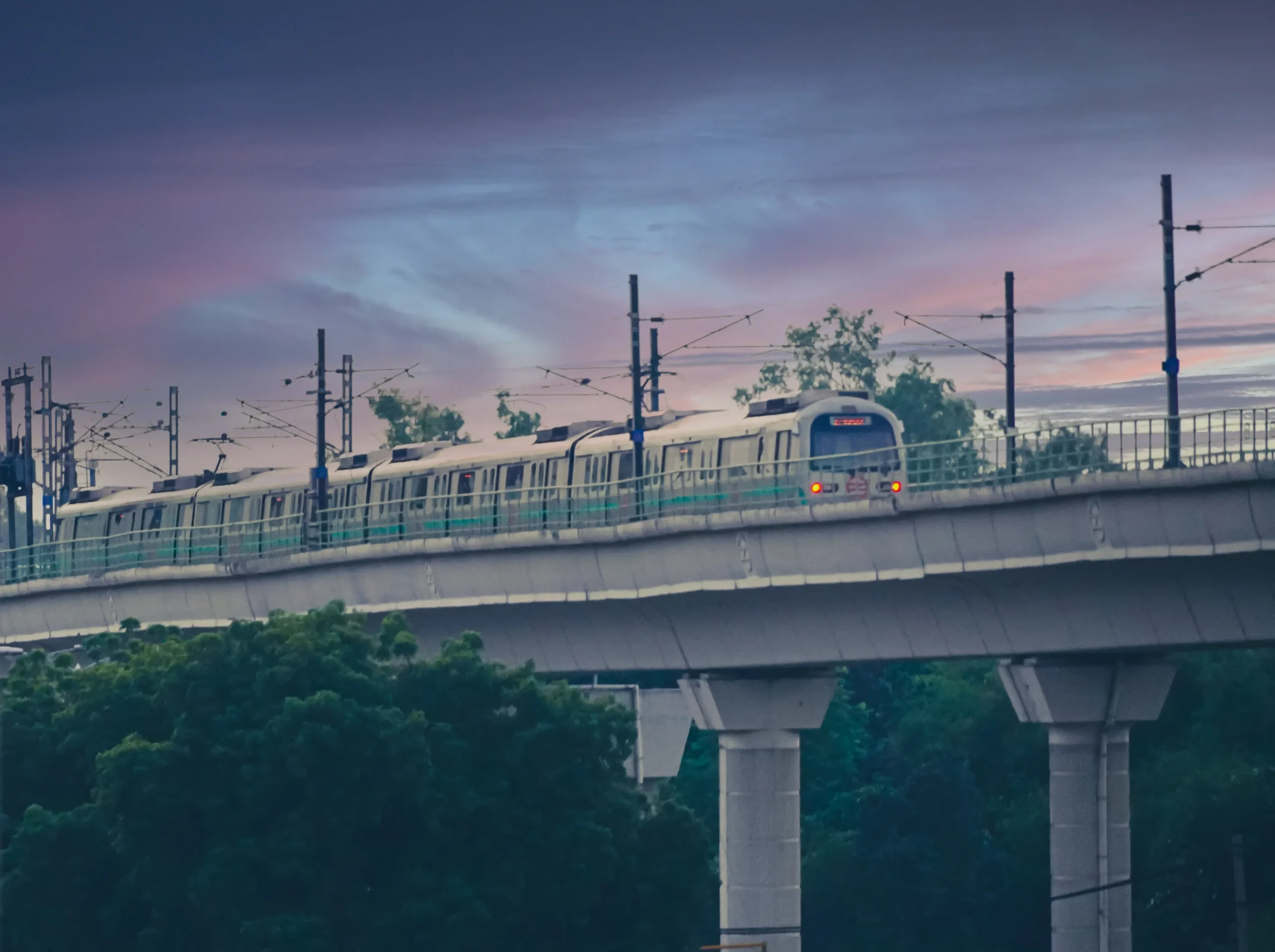
Public transportation can have a direct connection with residential property demand. Metro rail is a good example because it helps people travel without depending entirely on private cars, buses, or other road transport.
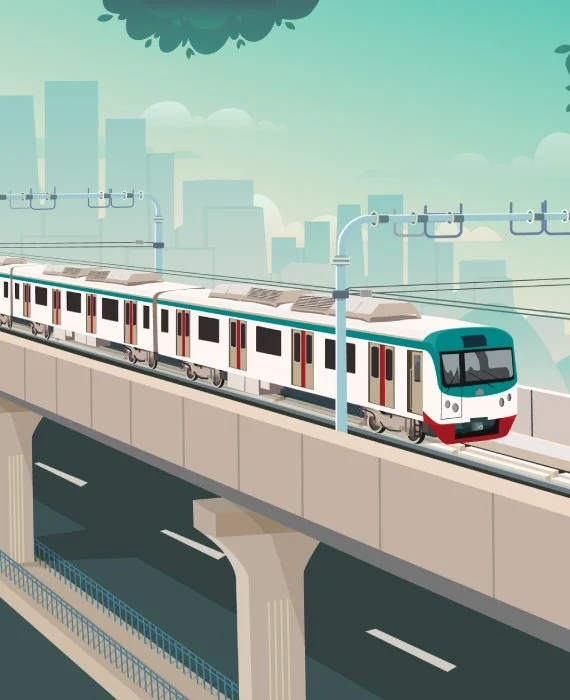
Dhaka Metro Rail has changed how many residents travel between Uttara, Mirpur, Farmgate, Motijheel, and other connected areas. Properties near metro stations can attract buyers who want easier access to workplaces, educational institutions, shopping areas, and business centers.
Uttara and Mirpur provide useful examples. These areas have gained greater transport access through MRT Line-6. Homebuyers who work in central Dhaka can now consider residential locations near metro stations without depending only on road travel.
A 2026 study published in Case Studies on Transport Policy examined property values around Uttara North and Uttara South metro stations. The research explored how station proximity and land use relate to residential property prices. These findings highlight the connection between public transportation and nearby property demand.
The impact is also visible in Dhaka’s apartment market. Property prices in metro-connected areas have received greater attention from buyers, with rising flat prices near Metro Rail stations in Uttara and Mirpur reflecting the growing demand for better-connected locations.
However, properties do not receive the same benefit simply because they are near a station. Walking access, road connections, safety, and nearby facilities also matter.
Bridges and Highways Increase Property Demand in Previously Less-Connected Areas
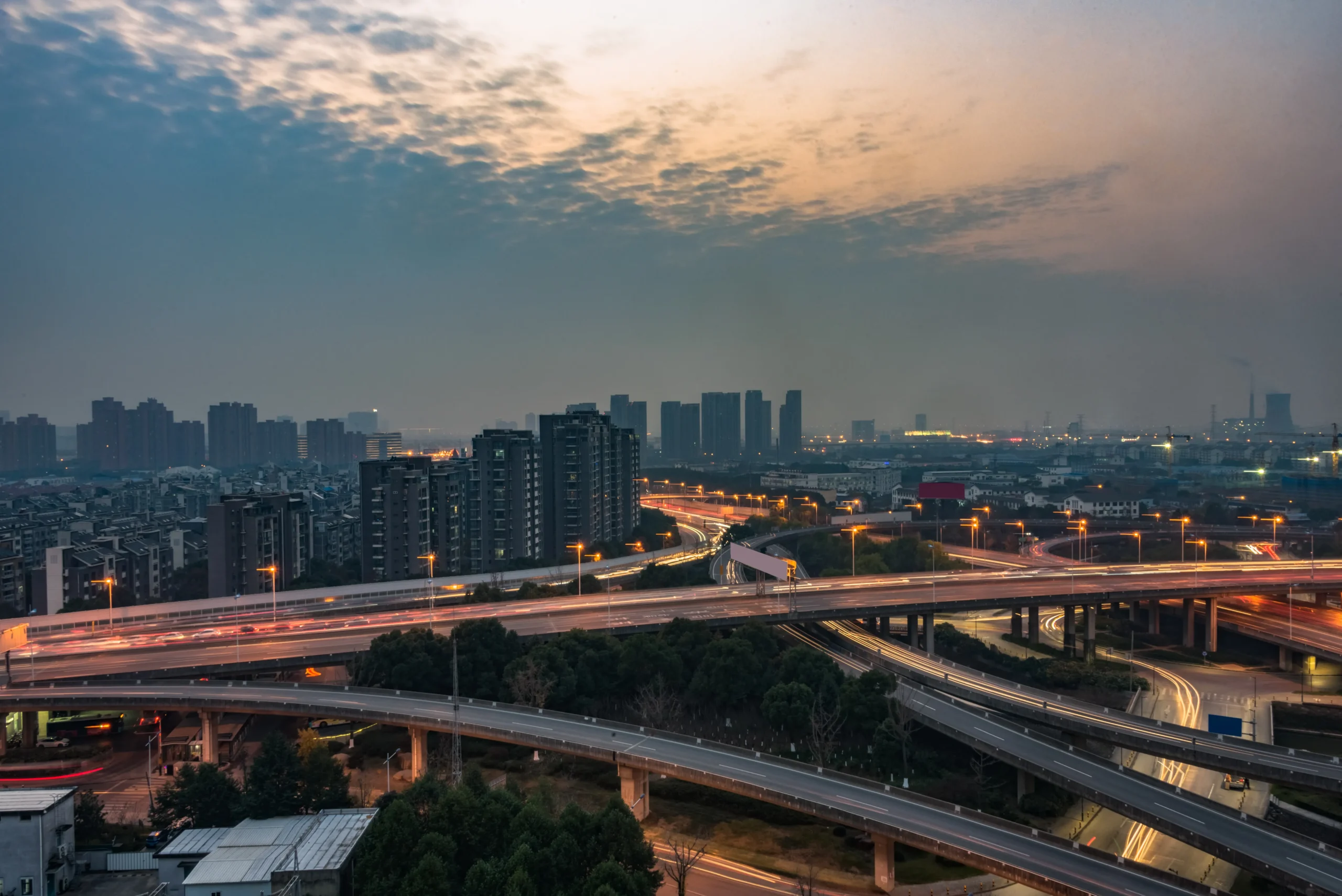
Major bridges and highways can change the value of land far beyond the immediate project location.
Before a major transport connection becomes available, people may face long travel times and higher transportation costs. Better connections can make nearby towns and developing areas more attractive for residential and commercial use.
The Padma Bridge is a major example in Bangladesh. The bridge connects the southwestern region with the capital through a direct road link. It has improved travel between Dhaka and districts such as Munshiganj, Madaripur, Shariatpur, and other parts of the region.
This connection can support business activity, trade, tourism, and residential development along important transport routes. This bridge is an example of how major transport infrastructure can improve connectivity beyond the capital.
Areas near major highways and bridge connections may attract new businesses, warehouses, housing projects, and commercial facilities.
However, a bridge alone does not guarantee higher apartment or land prices. Nearby areas need better local roads, public services, employment opportunities, and other facilities to attract long-term demand.
Better Infrastructure Attracts Businesses and Creates New Housing Demand

Infrastructure projects do more than improve transportation. They can also encourage businesses to expand into nearby areas.
New roads and transport connections make it easier for employees, customers, and suppliers to reach commercial locations. This can attract offices, shopping centers, schools, hospitals, restaurants, and other businesses.
As commercial activity grows, more people may want to live nearby. This creates additional demand for residential properties.
For example, areas around Purbachal have received attention because of planned roads, public facilities, and future commercial development. As these facilities progress, the area may attract more residents, businesses, and property investors.
The same pattern can occur around major transport corridors in greater Dhaka. A growing business area creates demand for different types of housing. Employees may look for rental apartments, while business owners and professionals may consider buying homes nearby.
This can increase demand for both residential land and apartments. The strongest price growth usually comes when infrastructure improvements lead to real business activity and job opportunities rather than remaining only on development plans.
Improved Public Facilities Make Neighborhoods More Attractive to Families
Transportation is not the only factor that influences property prices. Families also look for schools, hospitals, markets, parks, and other daily facilities.
New infrastructure can support the growth of these services. Better roads make it easier for schools and hospitals to serve a larger population. New residential developments can also attract supermarkets, pharmacies, restaurants, and other local businesses.
These facilities make an area more convenient for daily living. For families buying apartments in Dhaka, access to schools, healthcare, and grocery markets can be just as important as access to major roads.
Public spaces also matter. Parks, walking areas, playgrounds, and open spaces can improve the living experience and make a neighborhood more attractive. As these facilities develop, buyers may become more willing to pay for properties in the area. The value comes from the complete neighborhood, not just one infrastructure project.
New Infrastructure Encourages Developers to Launch More Residential Projects
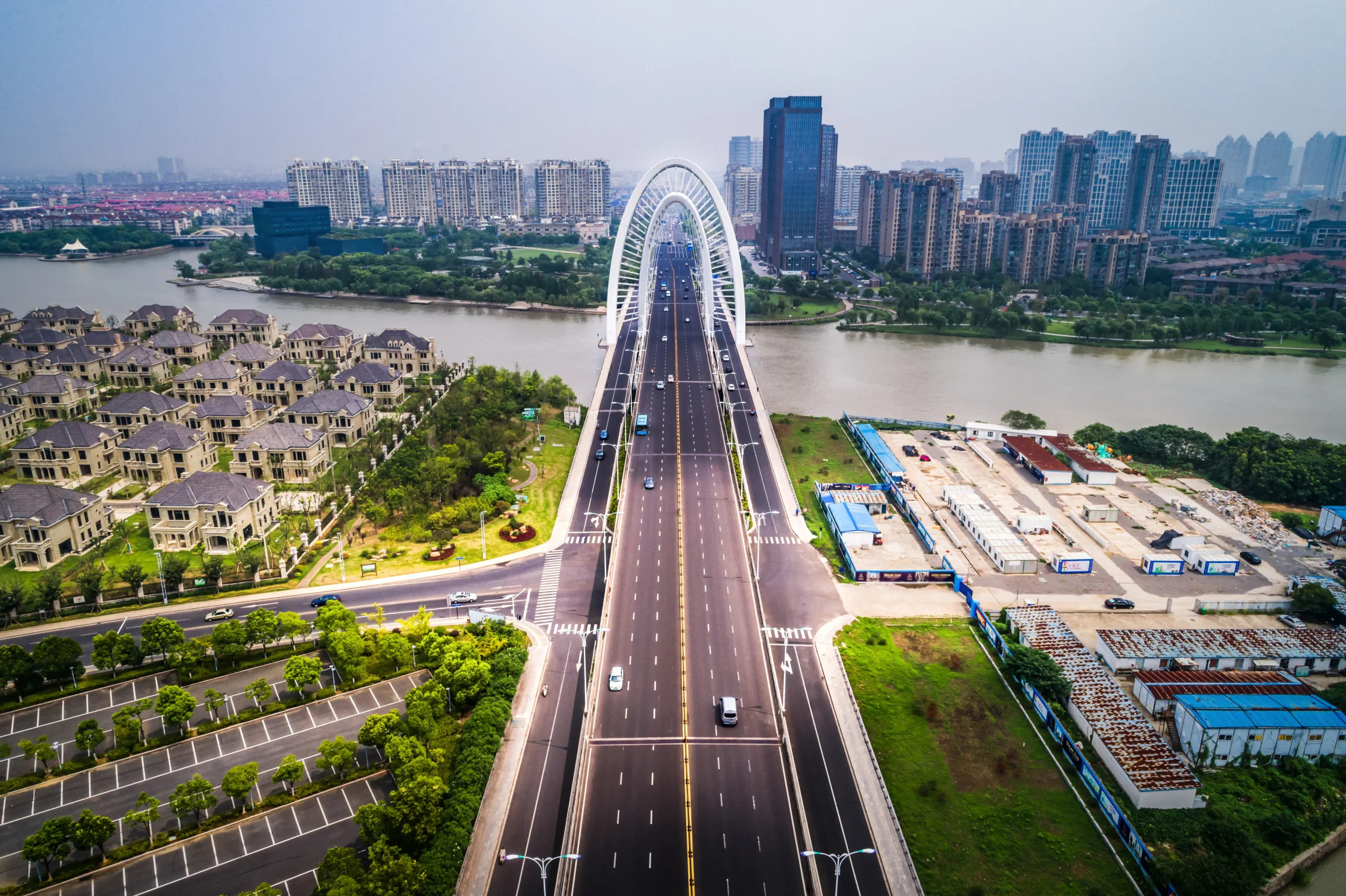
Infrastructure development can change where real estate developers choose to invest. Developers usually study land prices, transportation, local demand, and future growth before selecting a project location.
An area with poor road access may not attract enough buyers, even if land prices are low. Once new roads or public transport connections improve access, developers may see better opportunities.
This can lead to more apartment buildings, gated residential projects, and planned housing developments. Purbachal is an example of an area where planned urban development and infrastructure have attracted attention from property developers and buyers.
Uttara also shows how transport access and residential growth can work together. For buyers, choosing the right location requires more than looking at current apartment prices. Future road connections, nearby facilities, and planned development can also influence long-term property value.
Tropical Homes provides residential project options for buyers exploring different locations across Dhaka. Comparing project locations and nearby infrastructure can help buyers make better property decisions.
However, increased development can have two different effects on property prices. On one hand, new projects can improve an area’s image and attract more buyers. On the other hand, a large supply of similar apartments can create competition among developers.
Therefore, infrastructure development may increase land demand without causing every apartment in the area to gain the same value.
Higher Buyer Demand and Limited Land Supply Can Push Property Prices Up
Property prices depend on the relationship between demand and supply. When infrastructure improves an area, more people may want to buy land, apartments, or commercial space there. If the supply of available land is limited, prices can increase more quickly.
This is particularly relevant in established areas of Dhaka. Neighborhoods such as Uttara, Mirpur, and parts of Mohammadpur have different levels of road and transport access. As certain locations become more attractive, demand may concentrate around major roads, metro stations, and commercial centers.
Landowners may also become less willing to sell once they expect future price growth. Developers then face higher land acquisition costs. These expenses can increase the selling prices of newly developed apartments.
The same pattern can occur around planned infrastructure projects before construction is complete. Buyers and investors may purchase land based on expected future growth.
Buyers planning to invest in Dhaka’s property market should look beyond areas receiving attention because of new infrastructure projects. Access to essential services, neighborhood conditions, developer reputation, and future development plans also deserve attention.
Exploring Tropical Homes’ projects can help property seekers compare available options while considering location and long-term needs. However, expected growth and actual market value are not always the same. Prices based only on future expectations can create investment risks.
Poor Planning and Construction Problems Can Reduce Nearby Property Values
Not every infrastructure project increases nearby property prices. Poor planning, construction delays, and weak maintenance can create problems for residents. These issues can make an area less attractive to homebuyers, even when major development projects are nearby. Several factors can reduce the appeal of residential properties:
- Noise and Air Pollution: Properties close to highways and busy roads may face constant noise, dust, and vehicle emissions.
- Construction Disruption: Long construction periods can cause road closures, dust, traffic congestion, and limited access to nearby homes.
- Poor Drainage: In Dhaka, inadequate drainage can lead to waterlogging during the rainy season, making residential areas difficult to access.
- Heavy Traffic: Poorly planned road connections can increase congestion instead of reducing travel time.
- Limited Public Facilities: A lack of parks, schools, hospitals, and nearby markets can make an area less suitable for families.
- Poor Road Maintenance: Damaged roads, broken footpaths, and weak street lighting can reduce neighborhood appeal.
A property near a major road or transport project is not automatically a good investment. Buyers should check the surrounding environment, road access, drainage, safety, and future development plans before making a decision.
Final Thoughts
Infrastructure development can change the way people live, travel, work, and choose residential locations. Better transportation and public facilities can make previously less attractive areas more desirable for homebuyers and investors.
However, property value depends on more than the presence of a major project. Access, local facilities, land supply, neighborhood conditions, and actual economic growth all play a part.
For property buyers and investors in Bangladesh, understanding these factors can help identify areas with genuine growth potential. A location with improving connectivity and useful public facilities may provide better long-term value than one driven only by market expectations.
As cities expand and new infrastructure takes shape, the connection between urban development and property prices will remain an important part of Bangladesh’s real estate market.