Luxury vs. Affordable Housing: Why Bangladesh’s Property Market Is Splitting
- Sep 10, 2026
- Posted by: Tropical Homes
- Category: blog
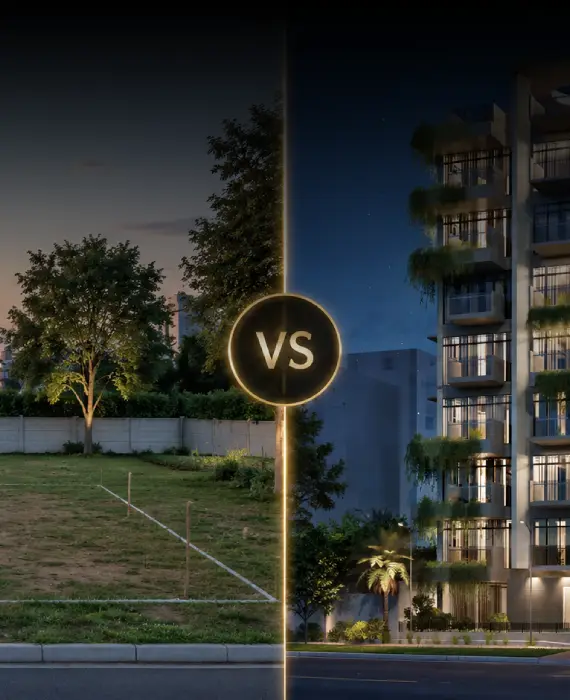
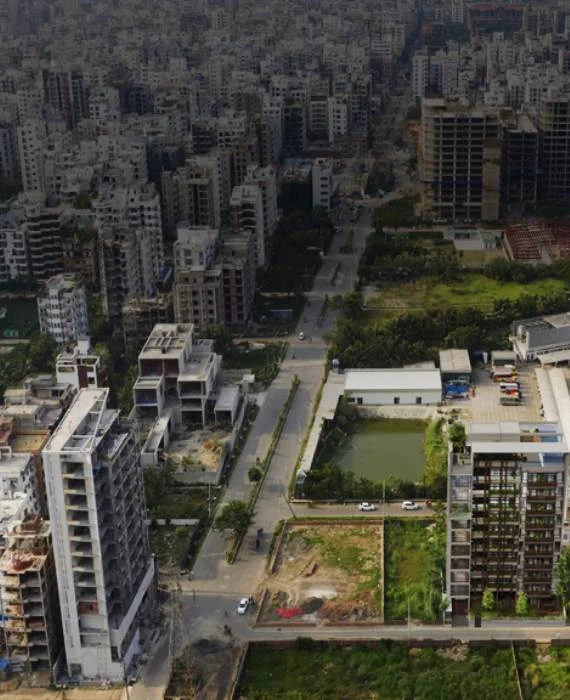
Bangladesh’s property market is changing. The gap between luxury and affordable housing is becoming easier to see, especially in Dhaka.
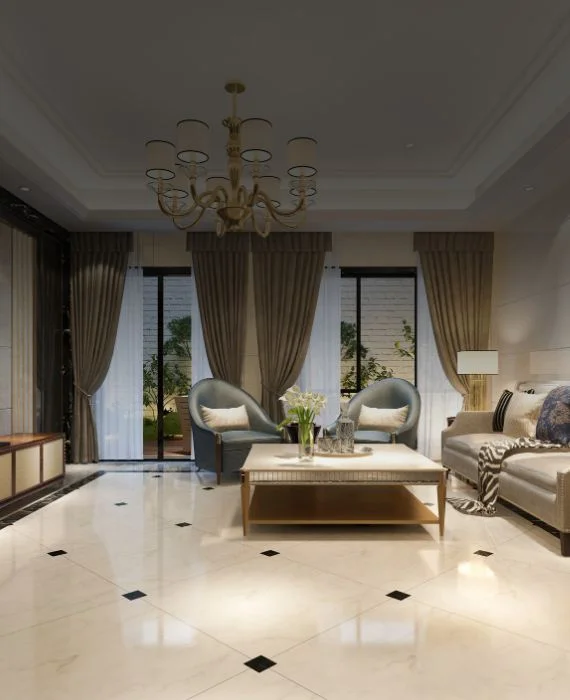
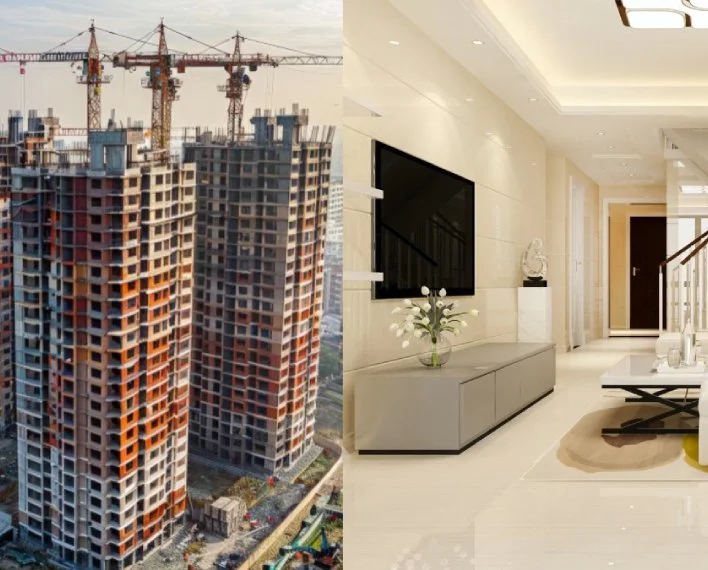
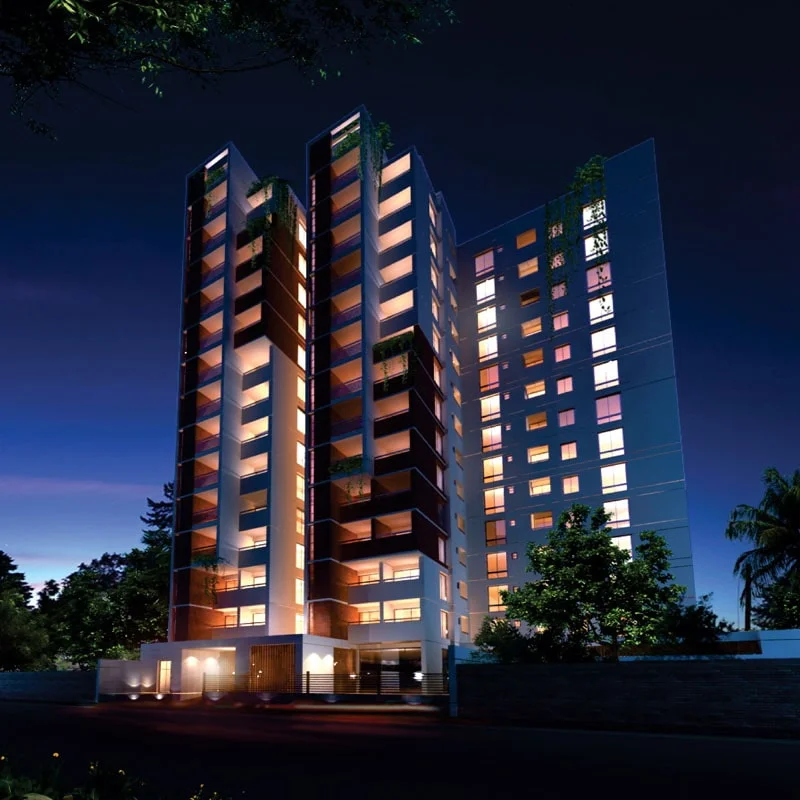
At one end, premium apartments and gated residential projects are attracting wealthy buyers who want prime locations, privacy, large living spaces, and modern facilities. At the other end, middle-income families are searching for smaller and more practical homes that fit within increasingly limited budgets.
The market is not splitting by accident. Several economic and social changes are pushing buyers and developers in different directions. Rising land prices, higher construction costs, growing income differences, and changing buyer expectations are making it harder for one type of housing to serve everyone.
As a result, developers are increasingly building for specific income groups. Some projects target buyers who can pay for premium living, while others focus on keeping prices as low as possible for budget-conscious families.
Here are the main reasons why Bangladesh’s property market is splitting between luxury and affordable housing.
1. Rising Income Gaps Are Creating Two Very Different Groups of Homebuyers
One of the main reasons behind the housing market split is the growing difference in purchasing power.
High-income individuals, successful business owners, senior professionals, and Bangladeshis living abroad have greater financial capacity to purchase premium properties. They can consider apartments in areas such as Gulshan, Banani, Baridhara, Bashundhara Residential Area, and other high-value locations.
Their buying decisions are not based only on the basic need for a home. Location, privacy, design, security, parking, and lifestyle facilities can also influence their choices.
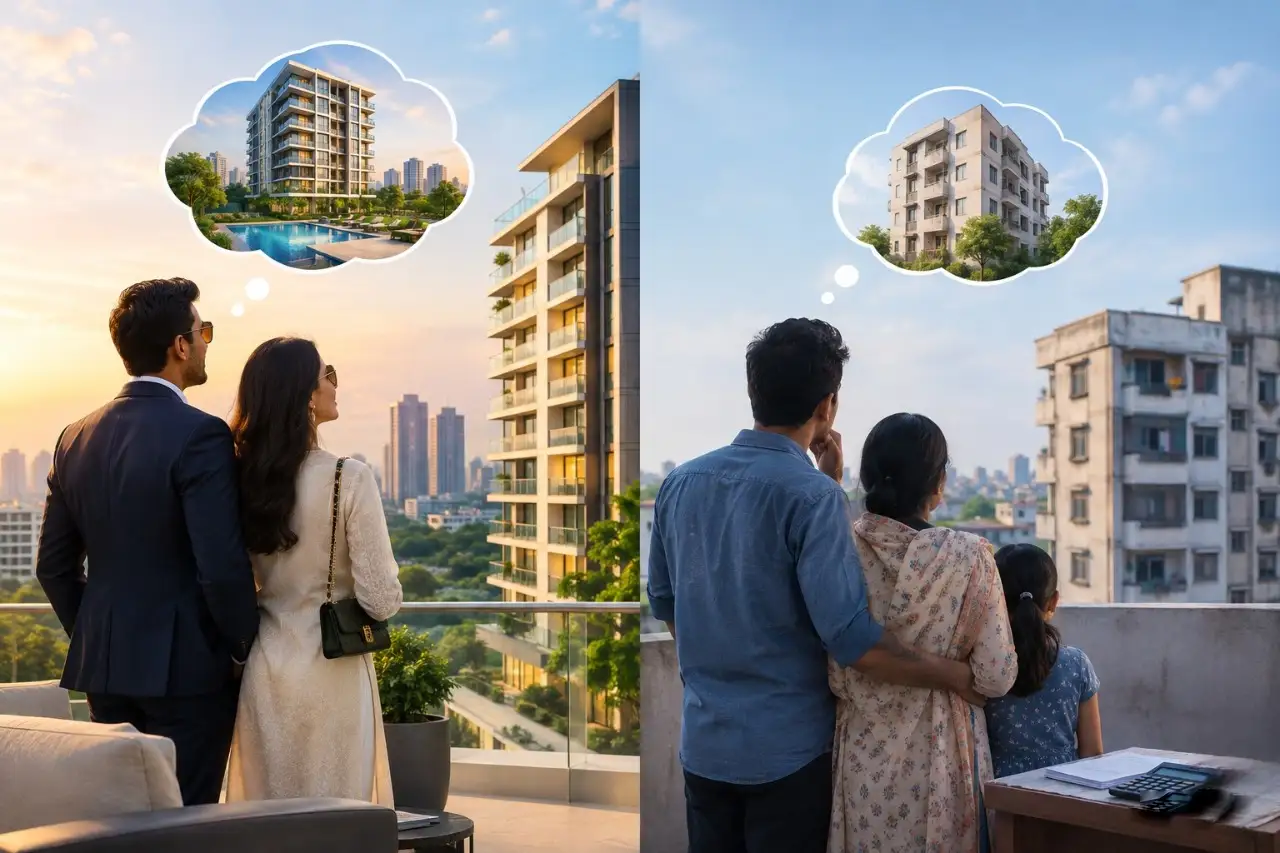
Middle-income families face a different reality.
For many households, buying an apartment requires years of savings, family support, and long-term financing. A rise in property prices can quickly push a preferred apartment beyond their budget.
This difference in purchasing power is creating two separate groups of buyers. One group can continue paying for premium homes despite rising prices. The other is becoming increasingly sensitive to every increase in apartment prices.
Developers are responding to these two groups differently, which is making the market divide more visible.
2. High Land Prices Are Pushing New Projects Toward Different Price Segments
Land is one of the biggest costs in any real estate project, and land prices in Dhaka have become extremely high.
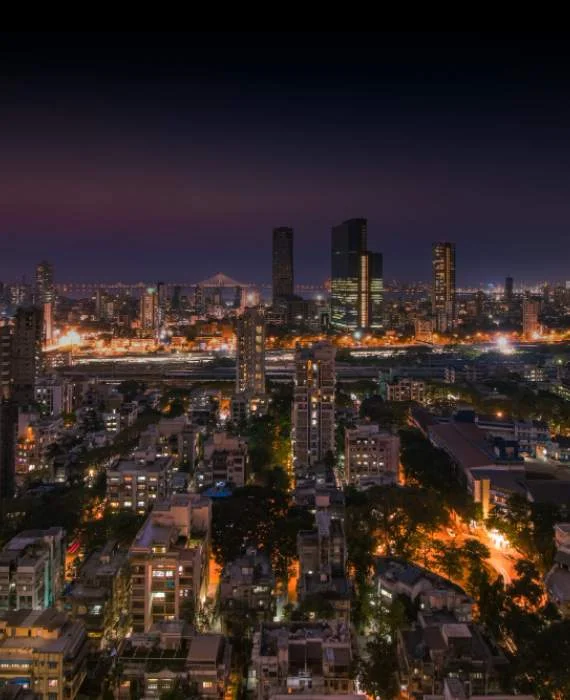
Prime residential areas have limited available land. Gulshan, Banani, Baridhara, Dhanmondi, and similar established neighborhoods have already been heavily developed. Any remaining land in these locations carries a high price.
Developers who buy expensive land cannot easily build low-cost apartments. The project cost needs to be recovered through apartment sales.

This naturally pushes developments in prime areas toward the luxury segment.
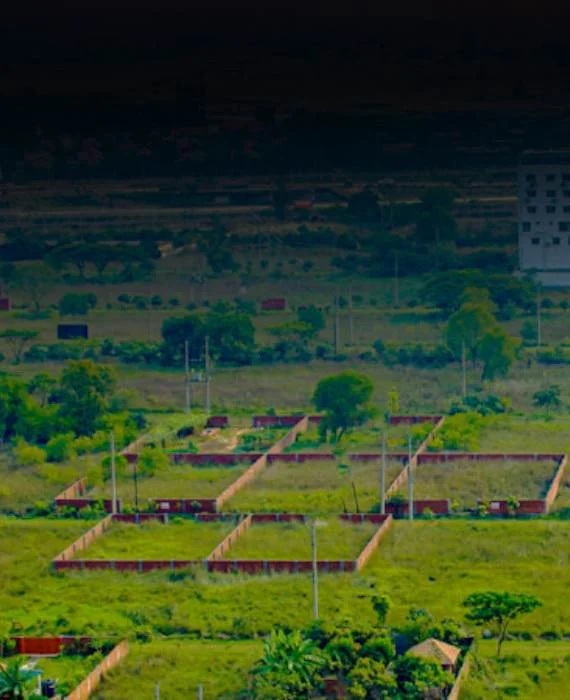
Affordable housing requires lower land costs. For this reason, comparatively budget-friendly projects are more likely to appear in developing or outer areas, where land is still available at relatively lower prices.
Areas around Purbachal, parts of Uttara, Savar, Keraniganj, and other growing locations are attracting buyers who cannot afford central Dhaka.
As land prices continue to vary sharply by location, the housing market is also becoming divided by geography and income.
3. Rising Construction Costs Are Making Affordable Housing Harder to Build
Construction costs are another major reason behind the split.
A residential building requires cement, rod, bricks, sand, glass, electrical equipment, tiles, sanitary products, lifts, generators, and many other materials. The cost of labor, fuel, transportation, and imported products also adds to the final development cost.
When these expenses rise, developers need to adjust their business plans.

Luxury projects can absorb higher costs more easily because their target buyers have greater purchasing power. Premium apartments can be sold at higher prices, helping developers recover the cost of expensive materials and high-end finishes.
Affordable housing does not have the same flexibility.
Developers cannot keep increasing prices if their target buyers have limited budgets. At a certain point, buyers simply cannot afford the apartments.
This puts developers in a difficult position. Building low-cost housing becomes harder when construction expenses continue to increase.
As a result, some developers prefer projects aimed at upper-middle-income or high-income buyers, where higher selling prices are more acceptable.
4. Developers Often Earn More From Luxury and Premium Projects
Business economics also plays an important role in the market split.
Real estate development requires a large investment. Developers need to purchase land, arrange approvals, finance construction, pay workers, and market the completed project.
After taking these risks, they naturally look for projects that can provide reasonable returns.
Luxury and premium projects can have higher selling prices and better profit margins, especially when they are located in established high-value areas.
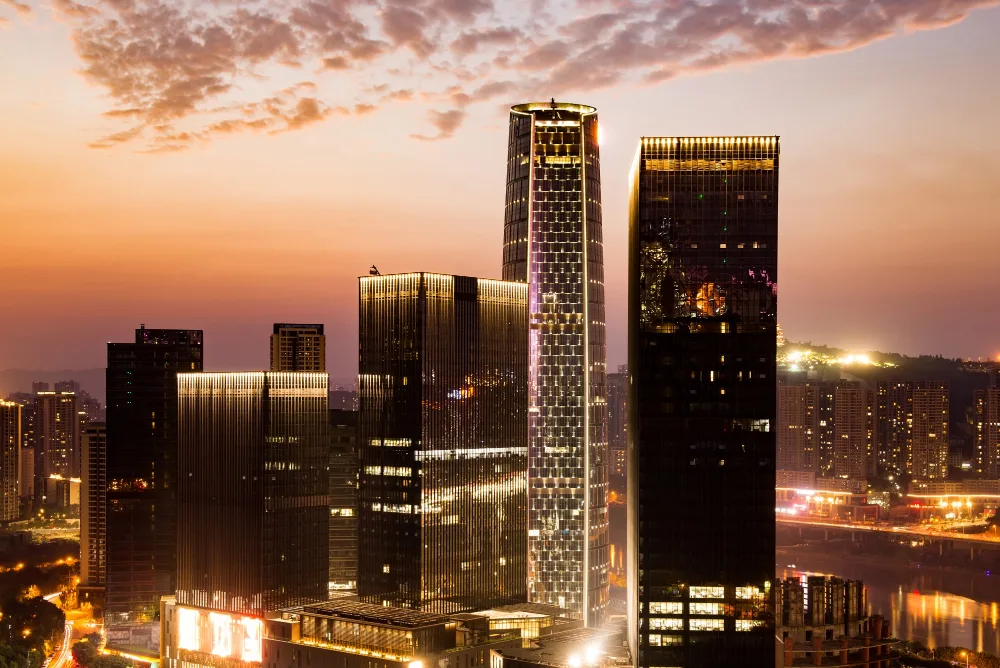
A developer building apartments in Gulshan or Banani is unlikely to target low-income buyers. The land and construction costs alone make that difficult.
Premium buyers are also more willing to pay for additional features, better materials, larger spaces, and exclusive facilities.
Affordable housing, on the other hand, works with smaller margins. Developers need to control costs carefully while keeping prices within reach of their target buyers.
This financial difference encourages some developers to focus on wealthier customer groups.
Over time, more premium projects and fewer truly affordable projects can make the division in the market even stronger.
5. Luxury and Affordable Buyers Now Have Very Different Expectations
The split is not caused by income alone. Buyers also want different things from a home.
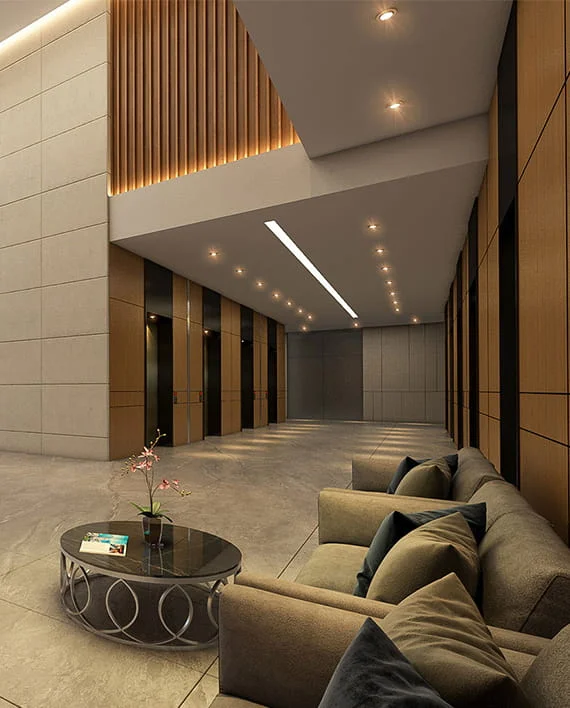
Luxury buyers often look for larger apartments, better architecture, privacy, modern security systems, dedicated parking, backup power, gyms, rooftop facilities, and professional property management.
For these buyers, the home is also connected to lifestyle and social status.
Affordable housing buyers have more practical priorities.
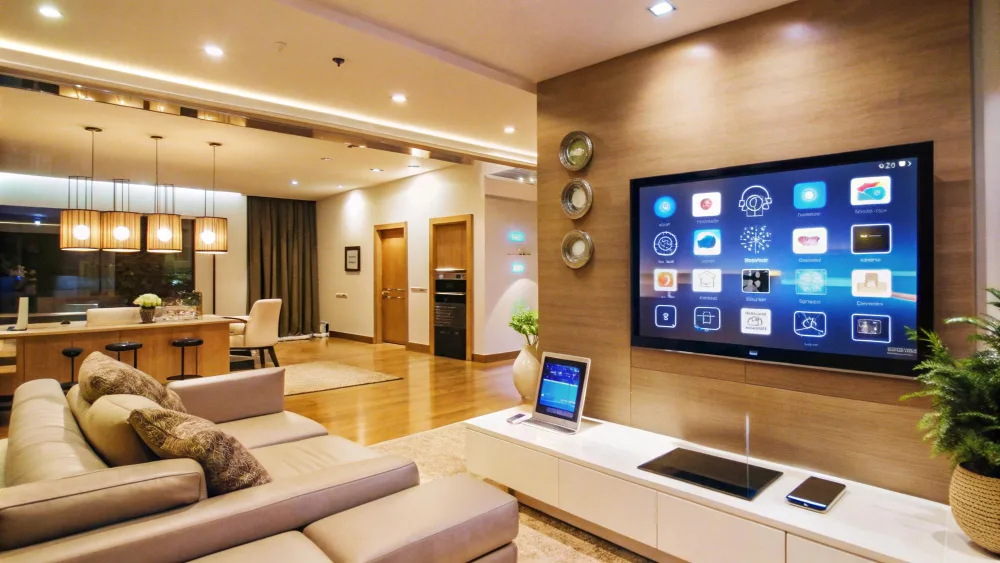
The total price, apartment size, payment schedule, location, and daily convenience usually matter more than swimming pools or premium facilities.
A middle-income buyer may prefer a simple apartment with good access to work, schools, markets, and transportation.
These differences make it difficult for developers to create one project that appeals equally to both groups.
A building designed for luxury buyers would be too expensive for budget-conscious families. A basic and cost-controlled project may not meet the expectations of wealthy buyers.
As buyer expectations continue to move apart, developers are creating more clearly defined housing segments.
6. Investment Demand Is Adding Pressure to Premium Property Prices
Real estate remains an attractive asset for many investors in Bangladesh.
Some investors purchase apartments or land to protect their wealth and benefit from future price growth. Others buy properties for rental income or future resale.
Premium locations often receive strong investor attention because of their limited land supply and established reputation.

Apartments and land in Gulshan, Banani, Bashundhara, Uttara, and other high-demand areas can attract both end-users and investors.
This additional demand can push prices higher.
When investors compete with homebuyers for property in desirable locations, average buyers may find those areas increasingly difficult to afford.
Investment activity can also encourage developers to focus on premium projects because they know that some buyers are purchasing property as an investment rather than only for personal use.
This creates additional demand at the higher end of the market while affordable housing continues to depend mainly on buyers with limited financial capacity.
7. The Lack of Enough Affordable Housing Is Making the Divide More Visible
Bangladesh has a large number of people who need reasonably priced homes, especially in and around Dhaka.
However, building affordable housing at scale is difficult.
High land prices, expensive construction materials, financing challenges, and limited urban space all create barriers.

There is also a difference between a cheaper apartment and genuinely affordable housing.
An apartment may cost less than a luxury property but still remain beyond the reach of many middle-income families.
As the number of households searching for affordable homes grows, the shortage becomes more visible.
Meanwhile, premium developments continue to target a smaller but financially stronger group of buyers.
This creates an uneven market structure.
There is strong demand for affordable homes, but supplying them at prices that match buyer incomes is difficult. At the same time, developers can often build more profitable projects for wealthier buyers.
That difference is one of the clearest reasons Bangladesh’s property market is splitting.
Final Thoughts
The divide between luxury and affordable housing is becoming a clear part of Bangladesh’s property market. Rising costs and changing buyer capacity are making it difficult for one type of housing to meet the needs of everyone.
Buyers with stronger financial capacity continue to drive demand for premium homes, while a much larger group is becoming increasingly focused on affordability. Developers are responding to these differences by targeting separate buyer groups with different types of projects.
This does not mean that one segment is better than the other. Luxury and affordable housing serve different needs and buyer expectations. However, the growing gap between them shows how closely the property market is connected to income, living costs, land availability, and economic conditions.
For buyers, developers, and investors, understanding this shift is becoming increasingly important. The market is no longer defined by a single type of homebuyer. Different financial realities are creating different demands, and those demands will continue to influence where and how people buy property in Bangladesh.