Why Land Prices Keep Rising in Dhaka Despite Economic Pressure
- Mar 3, 2026
- Posted by: Tropical Homes
- Category: blog
Land prices in Dhaka continue to rise even during economic stress. Many people feel confused by this trend. Inflation is high. Loan rates are high. Business growth is slow. Still, the price of land keeps climbing.
Land prices in Dhaka keep rising despite economic pressure because demand stays high and supply stays low. Rapid urban growth, strong investment interest, new infrastructure, and inflation all push prices up. Many buyers see land as a safe long-term asset, so they continue to invest even during tough times.
Now let’s look at the main reasons behind this trend, including urban growth, limited land supply, investor behavior, and major infrastructure projects that continue to drive property prices upward in Dhaka.
Rapid Urban Growth Increases Demand for Land
Rapid urban growth keeps land demand high in Dhaka. Thousands of people move to the city each month for work, study, and medical care. This steady flow of new residents increases the need for housing, offices, and services, which pushes land prices upward.
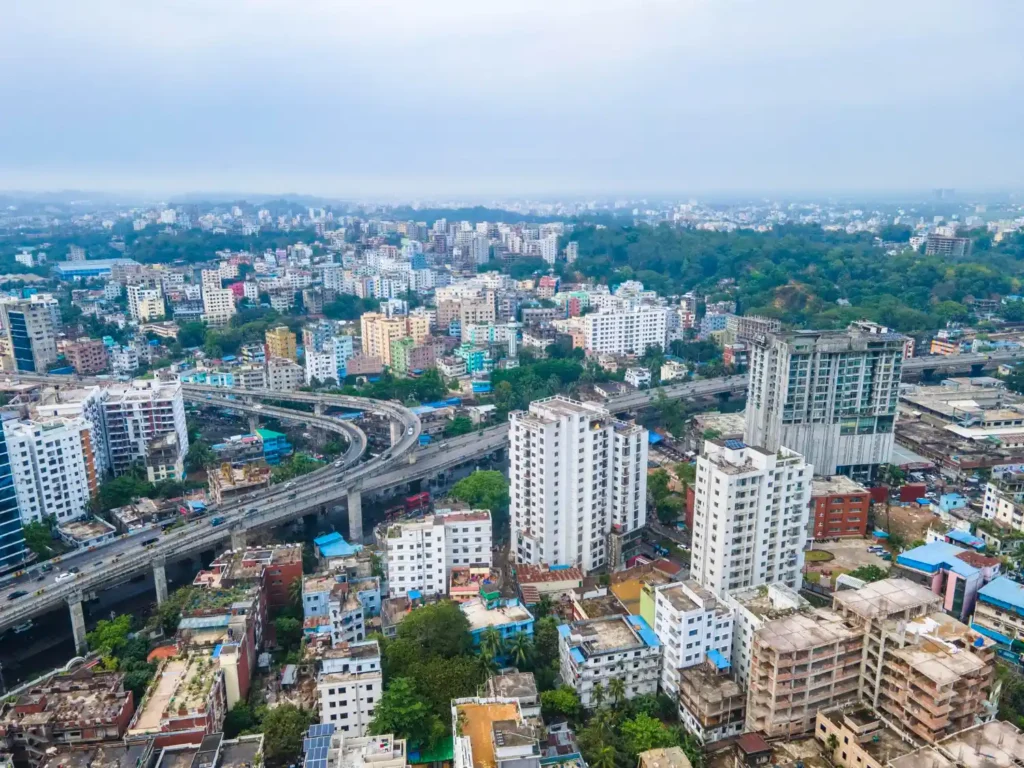
Job opportunities attract young workers from rural districts. Universities and colleges draw students from across the country. Families follow for better hospitals and public services. Each new arrival adds pressure to the housing market and reduces the number of available plots.
Developers respond by searching for land to build apartment projects. Businesses compete for space to open offices, shops, and factories. As more buyers enter the market, competition rises. Higher competition leads sellers to ask for higher prices.
Prime areas such as Gulshan, Banani, and Uttara continue to record price growth. These neighborhoods offer strong infrastructure, security, and access to business hubs. Limited vacant land in these zones keeps supply tight, which supports higher land values year after year.
Limited Land Supply Within the City
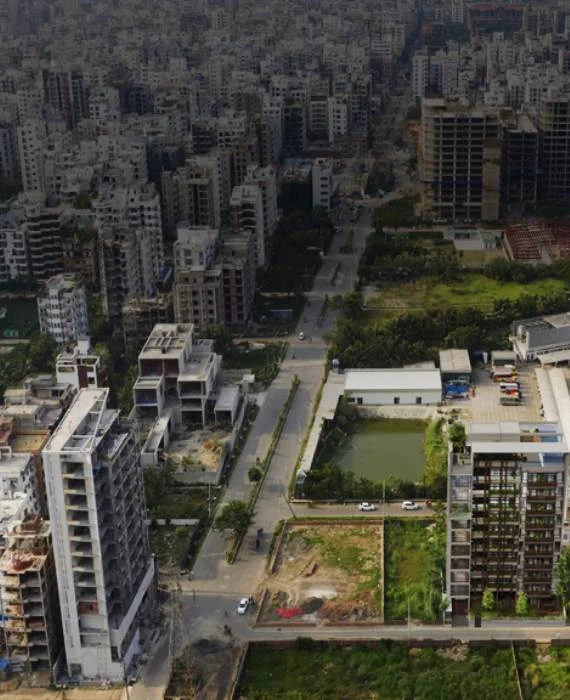
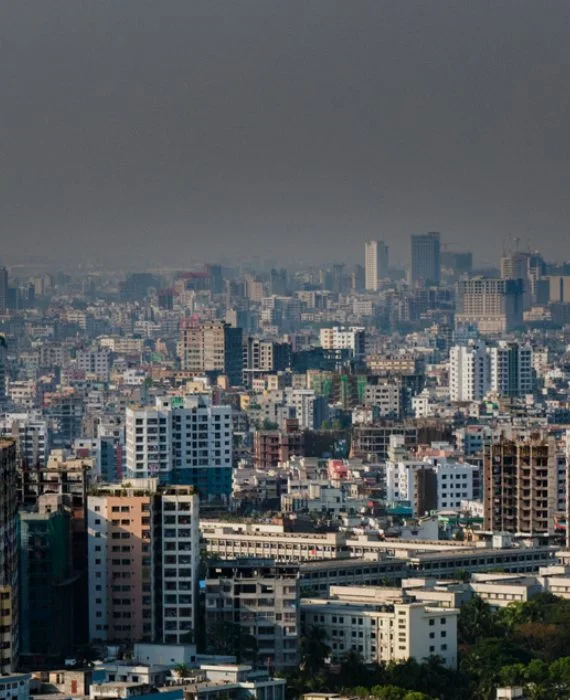
Limited land supply keeps property prices high in Dhaka. The city has clear physical boundaries, and most central zones are already built up. As demand continues to grow and available plots shrink, buyers compete for fewer options, which drives land prices upward.
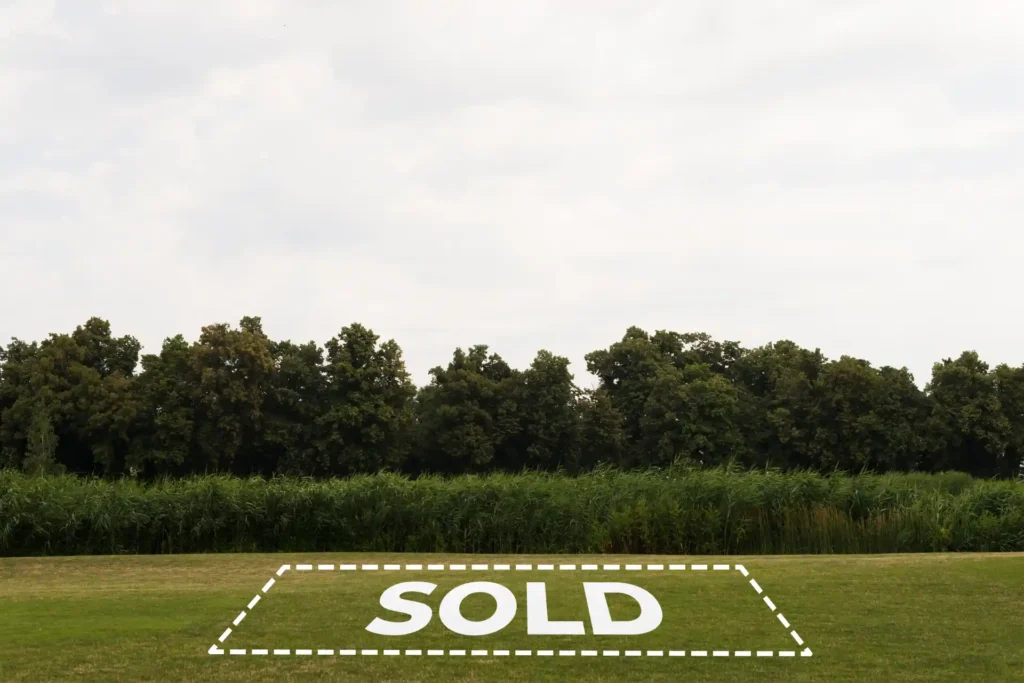
Rivers and low-lying areas restrict expansion in several directions. Large parts of the city are already covered with homes, offices, and roads. Very little open land remains in prime neighborhoods, which makes every vacant plot more valuable.
Land is a fixed resource. New plots cannot be created like consumer goods. Once developers purchase land and construct buildings, that land rarely returns to the market. Over time, this tight supply increases pressure on prices.
High-demand areas feel this pressure the most. Buyers search for land close to business hubs, schools, and hospitals. As options become limited, sellers gain stronger bargaining power and raise asking prices.
Even planned zones such as Purbachal New Town have seen rising land prices before full development. Investors buy early, expecting future growth. This early demand reduces available plots quickly and pushes prices higher long before projects are complete.
Land as a Safe Investment Option
Land remains one of the most trusted investment choices in Bangladesh. Many people prefer land over banks or the stock market because it feels secure and lasting. During economic pressure, buyers move their money into property, which keeps demand strong and prices rising.
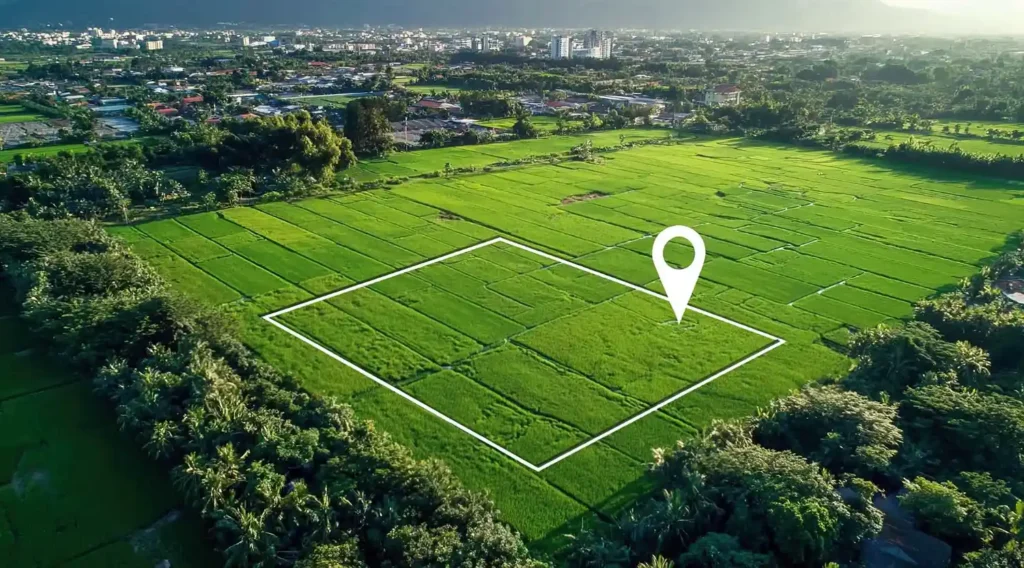
Physical ownership builds confidence. Land can be seen, visited, and passed down to future generations. Families often buy plots as long term security for children. This mindset supports steady demand, even when other investment options appear uncertain.
Economic uncertainty pushes investors toward assets they believe will protect value. Rising inflation reduces the return on savings, so buyers look for property instead. Many expect land prices to increase over time, so they accept higher prices today.
Speculative buying also adds pressure. Investors purchase plots in developing areas before roads, bridges, or utilities are complete. They hold the land and wait for public projects to raise value. This early buying reduces supply and lifts prices across growing zones.
Infrastructure Projects Raise Property Value
Major infrastructure projects increase land prices by improving access and reducing travel time. New roads, bridges, and rail lines make nearby areas more attractive for living and business. As connectivity improves, demand rises, and property values move upward.
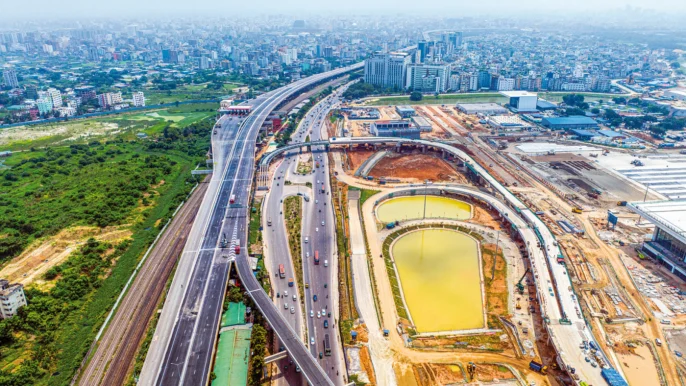
The Padma Bridge strengthened links between Dhaka and the southwest region. Travel became faster and easier for trade and daily movement. Land prices in connected corridors increased as buyers expected higher business activity and future development.
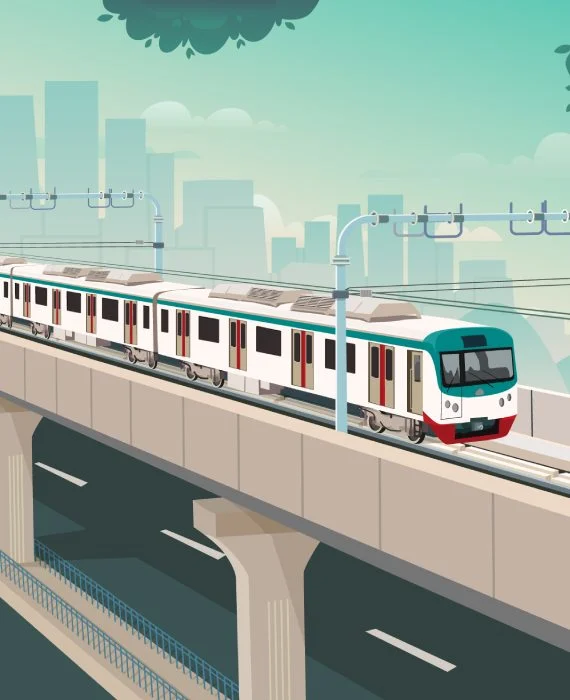
The Dhaka Metro Rail improved travel inside the city. Areas close to metro stations gained attention from homebuyers and developers. Better transport access raised demand for nearby plots, which led to higher land prices in those zones.

Infrastructure projects signal long term growth. Investors act early and buy land before construction finishes. Prices often rise during the planning and building stages, as buyers expect stronger demand once the project becomes fully operational.
Inflation and Construction Costs Push Land Prices Up
Inflation and rising construction costs push land prices higher in Dhaka. As money loses value and building materials become more expensive, developers raise apartment prices. Higher apartment prices increase the value of the land beneath them, which drives overall land rates upward.

Inflation reduces purchasing power over time. The cost of cement, steel, bricks, and fuel increases during high inflation periods. Developers must adjust selling prices to cover these rising expenses, and land becomes part of that higher cost structure.
Developers calculate every expense before launching a project. If labor wages and raw material prices rise, the final property price also rises. Landowners notice these higher selling prices and raise their own asking rates for new plots.
Economic pressure does not always reduce property values. In many cases, higher input costs and inflation lift total project expenses. As a result, land prices move up instead of down, even when the broader economy feels tight.
Cultural Preference for Property Ownership
Strong cultural preference for property ownership keeps land demand high in Bangladesh. Families view land as status, pride, and long-term security. This deep social belief encourages people to buy and hold property, which supports rising land prices even during economic slowdowns.

Land ownership represents stability for many households. Parents often purchase plots as a gift for their children’s future. Owning land builds a sense of safety that savings accounts or shares do not always provide. This mindset keeps buyers active in the property market.
Long-term family planning also drives demand. Many families prefer to invest savings in land rather than spend on short-term needs. They expect property to gain value over time and serve as financial backup during difficult periods.
Rental income adds another reason to buy. Small investors purchase land, build simple apartments, and earn monthly rent. Regular rental cash flow attracts middle income buyers and keeps property demand strong, even when overall economic growth slows.
Weak Alternative Investment Channels
Limited investment options push more money into land. Stock markets in Bangladesh often show sharp ups and downs, which makes small investors cautious. Low bank interest rates during inflation also reduce real returns. As a result, many people turn to property as a safer place to store value.

Share markets carry visible risk. Prices can rise quickly, but they can also fall without warning. Many middle-income investors lack deep market knowledge, so they avoid equities and prefer physical assets they understand better.
Bank savings accounts offer safety, but returns often fail to match inflation. When prices of goods increase faster than interest earnings, savings lose real value. This gap encourages investors to look beyond banks for stronger long-term growth.
Land appears more stable over time. Even if prices slow for a short period, long-term growth trends give buyers confidence. Many investors choose to hold property patiently, expecting gradual price increases rather than quick gains.
Government Policies and Urban Expansion
Government policies and city expansion plans play a direct role in rising land prices in Dhaka. Housing projects, zoning rules, and new development zones guide investor interest. As the city spreads outward, new areas gain value and land demand increases.

Public housing schemes and planned townships attract early buyers. Once the government announces a project, confidence grows in that area. Buyers expect roads, schools, and utilities to follow, so they purchase land before full development begins.
Zoning policies also influence price trends. When authorities approve residential or commercial use in a new zone, land demand rises. Legal approval reduces risk for investors and encourages faster transactions at higher prices.
Urban expansion toward the outskirts changes land perception. Areas once seen as distant start to look promising. As roads improve and transport links connect these zones to central Dhaka, more families and businesses move in.
Price growth often starts before construction ends. Buyers act on future expectations rather than current conditions. Once people believe that growth will reach a certain area, land prices begin to rise even before visible development takes place.
Final Note
Land prices in Dhaka rise due to strong demand, limited supply, and long-term investment habits. Rapid urban growth adds pressure on available plots. Infrastructure projects increase land value. Inflation and construction costs push property prices higher. Cultural trust in land ownership keeps buyers active. Weak alternative investment options also direct money into real estate.
Economic pressure alone does not control land prices in Dhaka. Deep structural factors support long-term growth. Buyers and investors continue to view land as security and opportunity. That belief keeps prices moving upward year after year.
Readers who want to understand Dhaka’s property market should follow urban growth trends, infrastructure plans, and supply limits. Careful research helps buyers make informed decisions in a competitive market.