Vertical Cities: How High-Rise Development Will Transform Bangladesh’s Urban Landscape
- Feb 9, 2026
- Posted by: Tropical Homes
- Category: blog
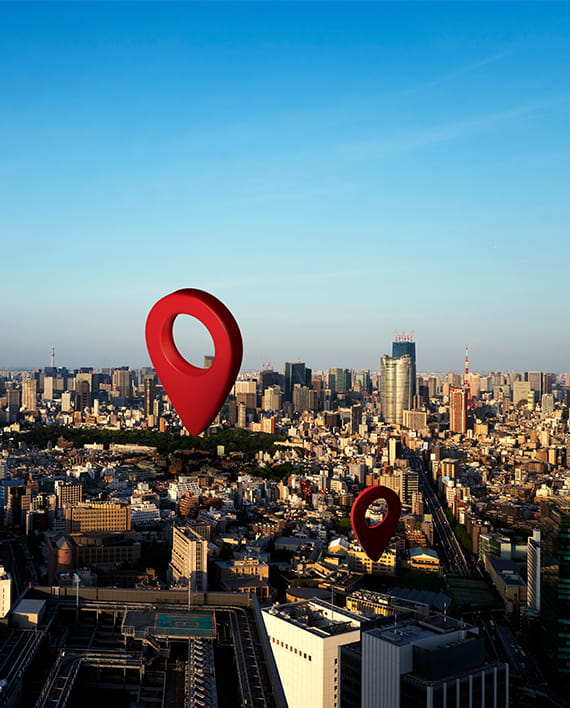
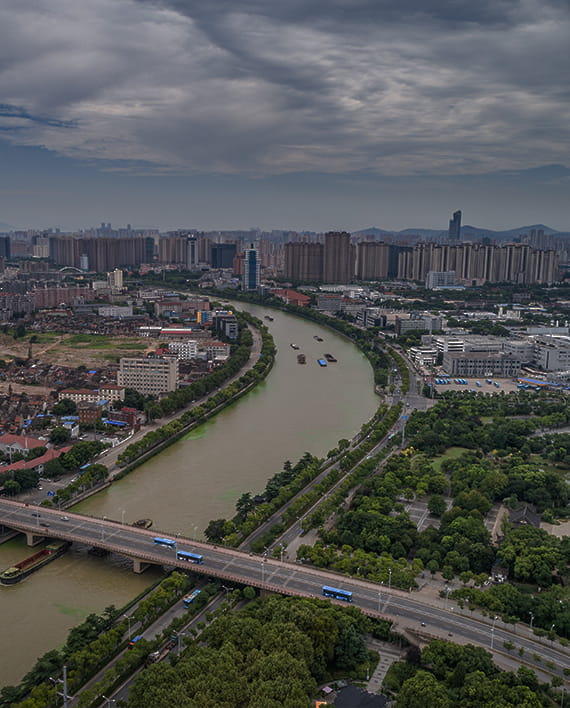
Bangladesh is changing fast. Cities are growing outward and upward at the same time. Dhaka, Chattogram, and other major urban centers are under pressure from population growth, housing shortages, traffic congestion, and limited land. In this reality, vertical cities are no longer a futuristic idea. They are becoming a practical solution.
High-rise development is reshaping how people live, work, and move in Bangladesh. This blog explores what vertical cities mean, why they matter, and how they can transform the country’s urban future in a smart and sustainable way.
What Are Vertical Cities?
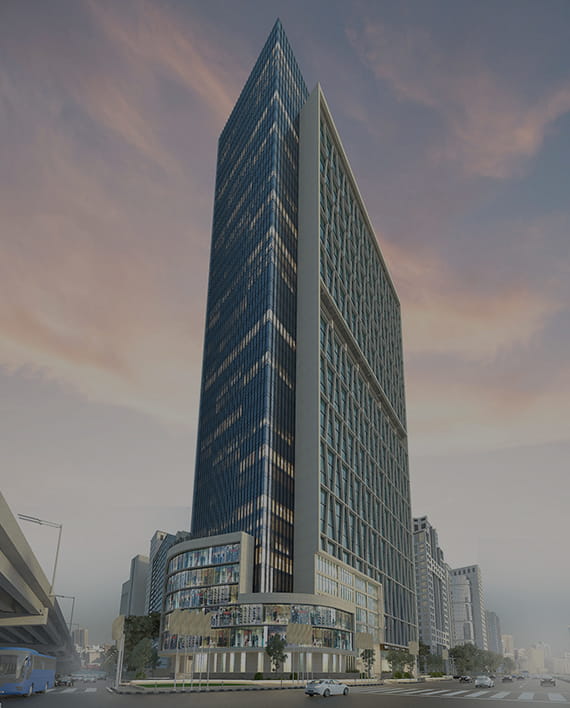
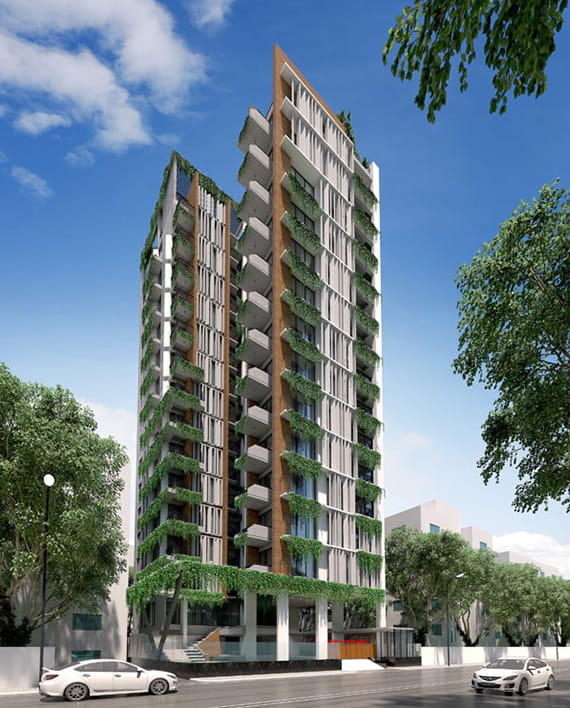
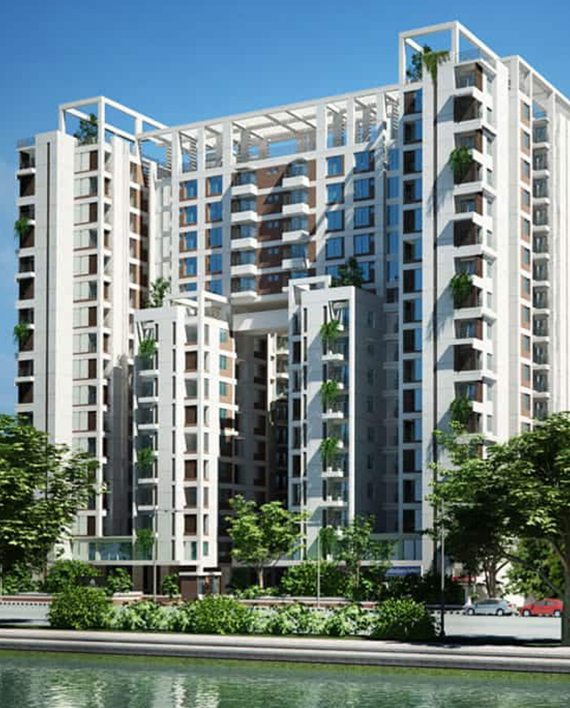
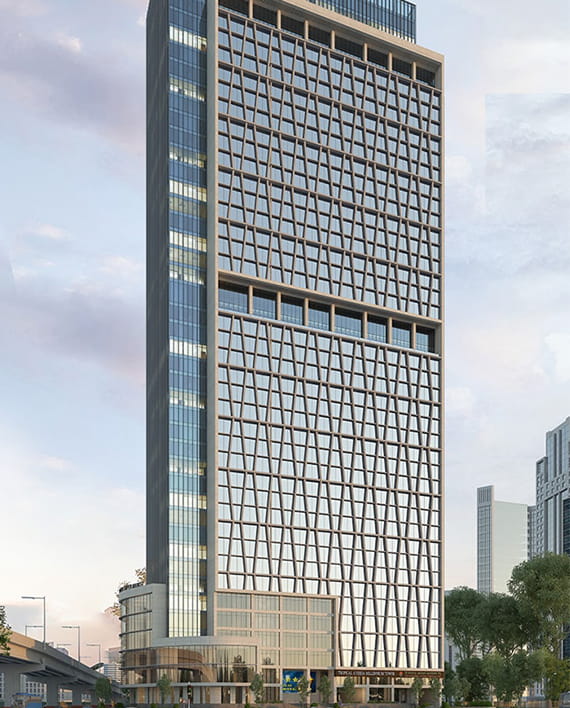
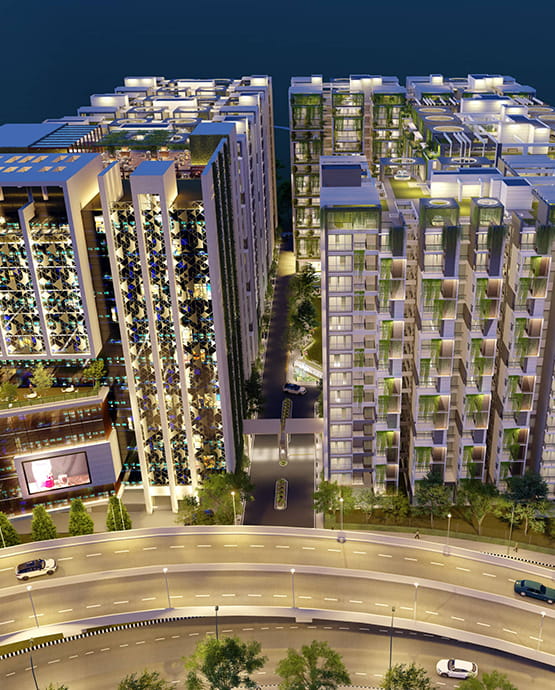
Vertical cities are urban areas built upward rather than outward. They place homes, offices, shops, schools, healthcare, and leisure spaces inside tall buildings or linked towers. This structure answers a simple question –
How can cities grow without using more land?
Living in a vertical city reduces daily travel. People can work, shop, study, and relax within the same building or a short walk away. By keeping essentials close, this model saves time, cuts traffic pressure, and improves how city life functions each day.
For dense countries like Bangladesh, vertical cities support urban growth while protecting farmland. By stacking spaces instead of spreading them, cities can house more people without pushing into rural areas, helping balance development with food security and land conservation.
Why Bangladesh Needs Vertical Development?
Bangladesh faces rising urban pressure as population density grows and more people move to cities for work and education. Space is limited, services are stretched, and daily movement is slow. Cities must find a way to grow without spreading endlessly into surrounding land.

Several clear challenges are pushing urban areas toward vertical development rather than outward expansion:
- – Limited land availability in major cities
- – Rising land prices
- – Growing demand for affordable housing
- – Severe traffic congestion
- – Pressure on utilities and infrastructure
Horizontal expansion can no longer meet these demands. Spreading cities outward uses more land and raises service costs. Building upward allows cities to house more people in less space, reduce travel distances, and manage growth while protecting land needed for food and future use.
How High-Rise Living Can Improve Urban Life
High-rise living can raise daily living standards when planning comes first. Smart design brings homes, services, and shared spaces closer together. This setup reduces stress, saves time, and helps cities support more people without lowering comfort or access.
High-rise living improves urban life in several practical ways, from smarter land use to stronger social ties, as shown in the areas below.
1. Better Use of Space
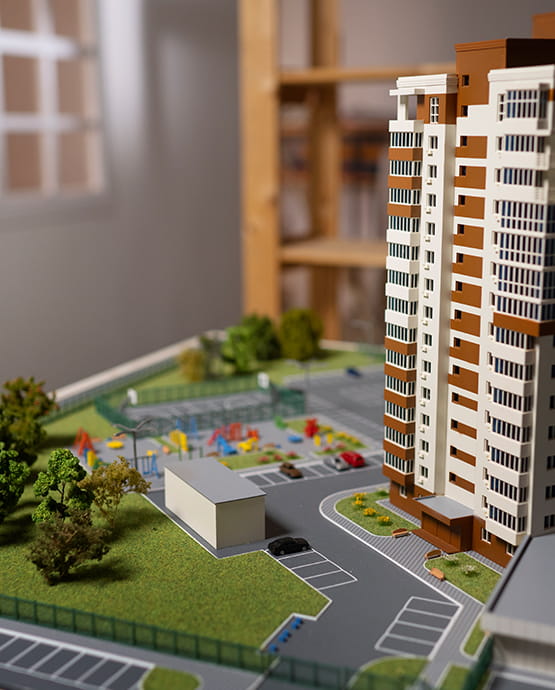
Tall buildings allow cities to save land at ground level. Instead of spreading structures across wide areas, space opens up for parks, walkways, and public areas that people can use every day.

These open spaces improve air flow and support walking and outdoor activity. They create room for trees, seating, and play areas, which improves comfort and health in dense neighborhoods.
2. Shorter Daily Commutes to offices, shops, and services
Mixed-use high-rise buildings place homes close to offices, shops, and services. This layout reduces long daily travel and lowers dependence on crowded roads and transport.
Shorter commutes save time and energy. People spend fewer hours in traffic and gain more time for family, rest, and personal routines, improving daily balance.
3. Improved Infrastructure Access
High-rise clusters make water, power, and waste systems easier to manage. Central networks serve more users from fewer points, which simplifies upkeep and reduces service gaps.

When systems stay organized, repairs happen faster. This approach lowers losses from leaks or overload and supports stable service in dense urban areas.
4. Stronger Community Living
Shared facilities inside high-rise buildings support social contact. Gyms, gardens, play zones, and community halls give residents places to meet without leaving the complex.

Regular interaction builds trust among neighbors. With thoughtful planning, vertical living can feel social and connected rather than crowded or isolated.
The Role of Sustainability in Vertical Cities
Sustainability defines whether vertical cities succeed over time. High-rise buildings house many people in one place, which increases demand for energy, water, and waste control. Without smart planning, these towers can strain resources instead of reducing pressure on the city.

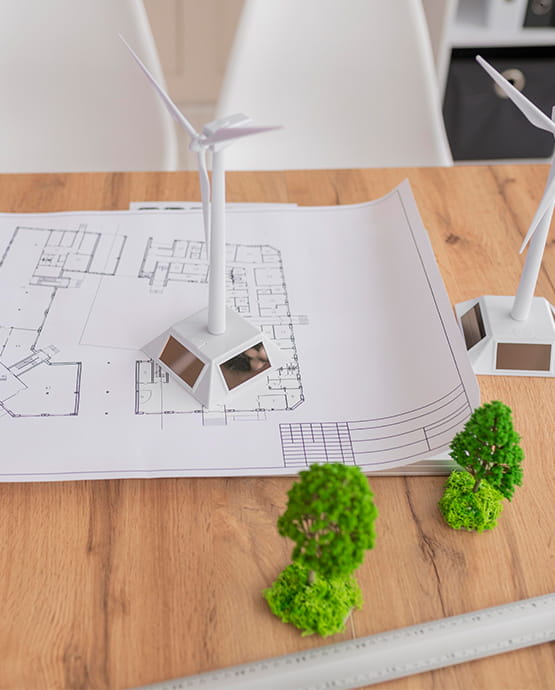
To manage this demand, modern vertical projects rely on practical design choices that reduce waste and control daily resource use, including:
- – Energy-efficient lighting and ventilation
- – Rainwater harvesting systems
- – Solar panels and green roofs
- – Waste recycling and management facilities
- – Earthquake vulnerability due to dense construction
Sustainable high-rise buildings lower environmental impact while reducing long-term living costs. For Bangladesh, where floods, heat, and resource stress are daily concerns, eco-focused design is not a choice. It is the foundation for safer cities and stable urban growth.
Economic Impact of High-Rise Urban Growth
High-rise urban growth supports economic activity by concentrating people, services, and commerce in one location. Construction alone creates large numbers of jobs, while completed buildings continue to generate work through maintenance, retail, and property management.
Vertical cities attract both local and foreign investment. Integrated offices and retail spaces raise demand for nearby land, lift surrounding property values, and give small businesses steady foot traffic without the cost of standalone locations.

For developers, building upward allows stronger returns from limited land. For city authorities, dense development increases tax income while keeping city limits stable, helping fund public services without extending roads, utilities, or boundaries.
Challenges and Risks to Address
High-rise development offers clear benefits, but it also brings serious risks if planning falls short. Dense buildings place heavy pressure on safety systems, public services, and living conditions. Without clear rules, vertical growth can create crowded spaces that reduce comfort and safety.
Several risks commonly appear when high-rise projects move ahead without proper control, including:
- – Poor planning that leads to overcrowding
- – Weak safety standards
- – Inadequate fire and emergency systems
- – Insufficient earthquake-resistant design and structural reinforcement
- – Unequal access to affordable housing
When profit becomes the only goal, vertical growth can deepen social gaps. Strong regulations, careful zoning, and strict enforcement of building codes help protect residents and ensure high-rise cities remain safe, fair, and livable for everyone.
The Future of Vertical Cities in Bangladesh
Bangladesh is moving toward taller urban development as land pressure grows and city populations rise. Public policy, private builders, and planners now see vertical design as a practical response to housing demand, transport limits, and service delivery within dense urban areas.

Future growth will rely on mixed-use zoning, public transport links, and better planning at the neighborhood level. Smaller cities can adopt vertical models early, allowing them to grow in a more organized way and avoid the congestion seen in older megacities.
With careful planning and fair access, vertical cities can support balanced urban growth. This approach can improve housing supply, reduce travel stress, and create cities that function better for people while using land more responsibly.
Final Thoughts
Vertical cities go beyond height. They focus on how people live each day. For Bangladesh, high-rise development offers a practical way to manage urban growth, protect limited land, and bring housing, work, and services closer together in dense city areas.
This shift demands clear vision, careful planning, and shared responsibility. When cities build upward with people in mind, they can form healthier communities and stronger urban systems. Bangladesh’s skyline is rising, and the real task is guiding that growth with care and purpose.