The Rise of Smart Homes in Dhaka: Are Bangladeshi Buyers Ready for Tech-Integrated Living?
- Mar 16, 2026
- Posted by: Tropical Homes
- Category: blog
Smart homes are slowly entering the housing market in Dhaka. New apartments now include devices that control lights, security, temperature, and appliances through mobile apps or voice commands. Property developers promote these features as modern and convenient. Many buyers feel curious about this change in home design.
Now let’s look at why smart homes are appearing in Dhaka, the benefits they offer, the challenges buyers face, and whether the local housing market is truly ready for tech-integrated living.
What is a Smart Home?

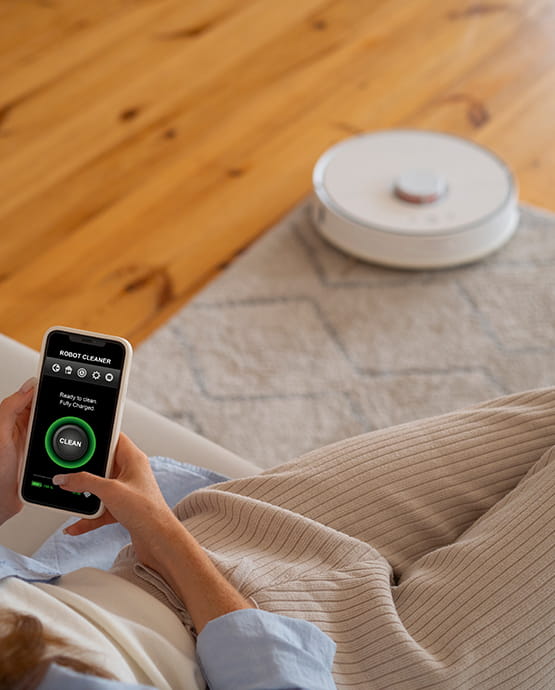
A smart home uses connected devices that communicate through the internet. These devices allow residents to control parts of their home using a smartphone or voice assistant. Common smart home features include:
- – Smart lighting systems
- – Digital door locks
- – Security cameras with mobile monitoring
- – Smart thermostats and air conditioning control
- – Motion sensors and alarm systems
- – Automated curtains and appliances
Residents can manage these devices from anywhere. A person can check security cameras while away from home or turn off lights without being in the room. The idea focuses on convenience, safety, and energy control.
Why Are Smart Homes Appearing in Dhaka?
Smart homes are slowly entering Dhaka’s housing market as the city’s real estate sector grows more modern. Rising income levels, global lifestyle influence, strong competition among developers, and wider smartphone use all encourage the adoption of connected home technology.
Many apartment buyers prefer homes with added convenience and security features. Smart lighting, digital locks, and automated systems help create a more advanced living experience.

Global housing trends also influence buyer expectations in Bangladesh. Through social media and international property marketing, buyers see smart homes in cities such as Singapore, Dubai, and London. Developers in Dhaka often introduce similar features to meet these changing lifestyle preferences.
Strong competition among real estate developers also pushes this trend. New projects must stand out in advertisements and property listings. Smart security systems, automated lighting, and mobile-controlled devices help developers promote apartments as modern and technology-ready homes.
Benefits of Smart Homes for Urban Living
Smart homes offer several practical advantages for people living in busy cities like Dhaka. Connected devices improve security, reduce energy use, and make daily routines easier. These systems help residents control many parts of the home via phone or voice command. The benefits below explain why many urban families show interest in smart homes.

- – Stronger Home Security: Smart cameras, digital locks, and motion sensors help protect the home. Residents receive instant alerts on their phones if movement or unusual activity appears near the property.
- – Better Energy Control: Smart lighting and automated air conditioning reduce unnecessary electricity use. Lights turn off when rooms are empty, and cooling systems can follow a set schedule during the day.
- – Simple Daily Convenience: Many daily tasks become easier through one mobile app. Residents can adjust lights, open curtains, or turn on appliances without walking across the house.
- – Remote Home Access: Homeowners can check security cameras or control devices while away from home. This feature is helpful for people who travel often or spend long hours outside.
- – Improved Family Safety: Parents can monitor children through indoor cameras or motion alerts. Elderly family members can also stay safer with connected alarms and monitoring systems.
- – Better Control of Home Appliances: Smart plugs and automated devices allow residents to manage appliances from a phone. Ovens, fans, and other electronics can turn on or off based on schedules.
- – Centralized Home Management: Many smart systems bring multiple devices into one control panel or mobile app. This setup makes it easier to manage security, lighting, and appliances together.
- – Higher Property Appeal: Apartments with smart features often attract more attention from buyers. Modern technology inside the home can increase interest among young professionals and tech-friendly residents.
Urban living often requires comfort, safety, and efficiency. Smart home systems support these needs by giving residents more control over their environment. As awareness grows, many families in Dhaka are beginning to see the value of connected living.
Challenges Facing Smart Home Adoption in Bangladesh
Smart homes offer many advantages, but several barriers still slow their adoption in Bangladesh. High installation costs, limited public awareness, unstable internet connections, and maintenance concerns make many apartment buyers cautious about adding smart systems to their homes.

Smart home technology increases the overall cost of an apartment. Automation systems, sensors, and connected devices require extra installation during construction. Many buyers in Dhaka focus more on price, location, and apartment size, so they often avoid paying extra for technology features.
Limited technical knowledge also creates hesitation among homeowners. Many people are not familiar with how smart home systems operate. Concerns about software problems, device failures, or complicated setup often discourage buyers from choosing technology-based home systems.
Reliable internet and technical support remain another concern. Smart devices depend on stable internet connections to work properly. Power interruptions, weak signals, or device breakdowns can disrupt these systems. These issues make some buyers prefer traditional home setups over connected technology.
Are Dhaka Buyers Ready for Smart Homes?
Smart home adoption in Dhaka depends largely on buyer groups and income levels. Interest exists, but readiness is uneven across the market. Luxury buyers and younger professionals show stronger acceptance, while many middle-income buyers still place higher value on price, space, and location.

Luxury apartment buyers in Dhaka often accept smart home features without hesitation. Many high-end projects in Gulshan, Banani, and Bashundhara already include digital security systems, smart access control, and automated lighting. These buyers usually expect modern technology as part of premium living.
Young professionals also show growing interest in technology-based housing. Many prefer homes that allow mobile control of lights, locks, and security cameras. Middle-income buyers remain more cautious and focus mainly on affordability. Demand grows slowly as awareness and exposure increase.
Role of Developers in Promoting Smart Homes
Property developers play a central role in bringing smart home technology into Dhaka’s housing market. By adding connected security and automation systems in new apartment projects, developers introduce buyers to technology-based living and help increase interest in modern housing features.

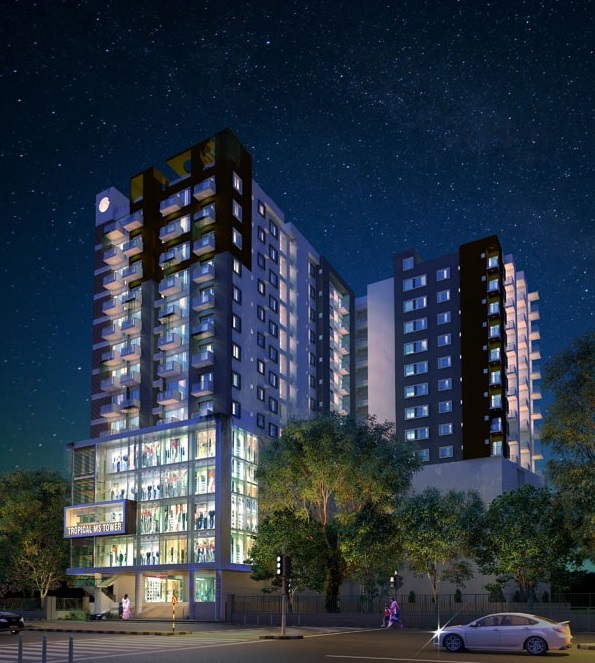
Many real estate companies like Tropical Homes now include basic smart security and access systems in new buildings. These features improve safety and convenience for residents while making apartment projects more attractive to buyers.
- – Digital video door phones that allow residents to see visitors before opening the door
- – Smart access cards that control entry into buildings and parking areas
- – CCTV monitoring systems that watch common areas and entrances
- – Automated parking systems that improve parking management in busy buildings
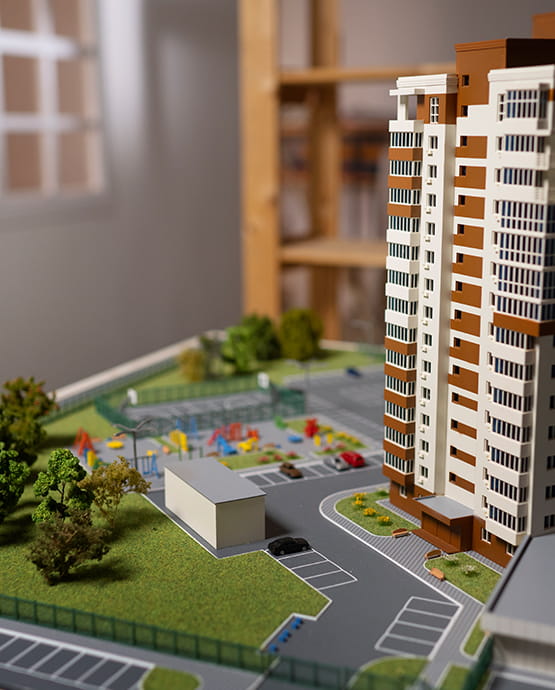
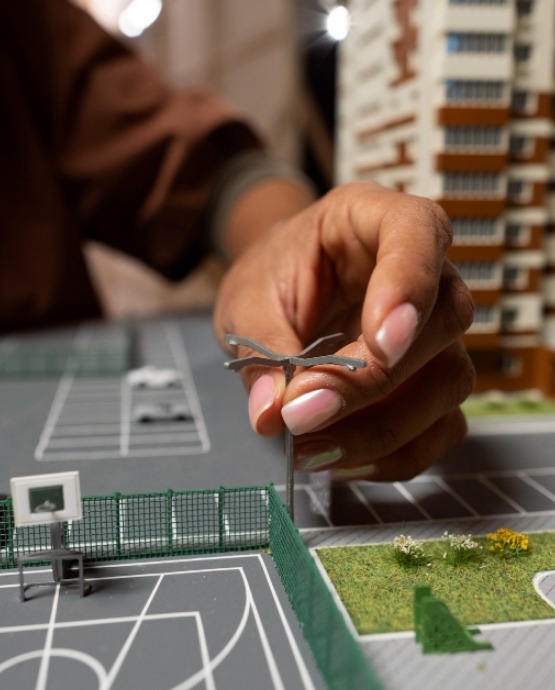
Some residential projects go further by offering complete home automation packages. Developers also explain these systems during apartment visits or model flat tours. Simple demonstrations help buyers understand how smart devices work and why they add value to modern homes.
The Future of Smart Housing in Dhaka
We anticipate a steady growth in smart housing in Dhaka over the next decade. Apartment buyers are slowly becoming familiar with connected devices and automated systems. As technology becomes easier to access, smart home features may become a regular part of urban residential projects.
Technology costs continue to drop as more devices enter the market. Smart lighting, digital locks, and home security systems are now more affordable than before. Lower device prices make it easier for developers to include these systems in new apartment buildings.

Internet access across Dhaka is also improving. Faster mobile networks and wider broadband coverage allow smart devices to operate more reliably. Stable connectivity helps residents control home systems through mobile apps without frequent interruptions.
Local technology startups and service companies may also support this growth. Some businesses are beginning to offer affordable automation systems for existing homes. These services allow homeowners to add smart features without rebuilding or redesigning their houses.
Future apartment developments may include basic smart systems as standard features rather than luxury upgrades, which could enhance energy efficiency and improve security for residents. As buyers become more comfortable with connected devices in daily life, smart housing may slowly become a common feature in Dhaka’s urban residential market.
Final Note
Smart homes are slowly entering Dhaka’s real estate market as developers add connected systems for lighting, security, and energy control. These homes allow residents to manage many household functions through mobile devices. The trend shows a gradual shift toward technology-based urban living.
Growing smartphone use, global housing ideas, and strong competition among developers encourage this change. Smart systems offer practical benefits such as improved security, better energy use, and easier home management. These advantages attract buyers who prefer comfort and modern features in their apartments.
Adoption remains gradual because many buyers still worry about installation costs, internet reliability, and maintenance needs. Interest remains stronger among luxury buyers and young professionals. As technology becomes more affordable and familiar, smart housing may appear more often in future apartment projects across Dhaka.