Eco-Friendly Home Upgrades That Save Money
- Jan 19, 2026
- Posted by: Tropical Homes
- Category: blog
Living costs in Bangladesh keep climbing, especially for electricity and water. Small home upgrades can ease that pressure. I focus on practical and eco-friendly changes that work in local homes, suit the climate, and lower monthly bills without adding daily effort.
Eco-friendly home upgrades help you cut power and water bills while living comfortably. Simple changes like roof insulation, LED lights, solar panels, water-saving fixtures, and smart layout reduce daily costs. These upgrades suit hot climates and start saving money every month.
Now let’s explore some practical upgrades you can use at home. Each idea is simple, affordable, and easy to apply. You will see how small changes lower bills without changing your daily routine.
LED Lighting That Uses Less Power
LED lighting helps you lower electricity use without changing daily habits. You get the same brightness with far less power. Rooms stay cooler since LEDs release very little heat. You’ll see lower bills each month with steady light quality.

Lights stay on for many hours in most homes. LEDs use less power than tube lights or CFLs. Less heat means fans and air units work less. Indoor comfort improves, especially during warm evenings.
Best savings come from switching the lights you use the most. Living rooms, kitchens, stairways, and outdoor areas matter first. You’ll notice results fast after replacing these lights. Power use drops without any effort.
LED prices are now affordable across Bangladesh. Installation stays simple and quick. You do not need wiring changes in most homes. This upgrade pays back fast and keeps saving money for years.
Rooftop Solar for Daily Energy Needs
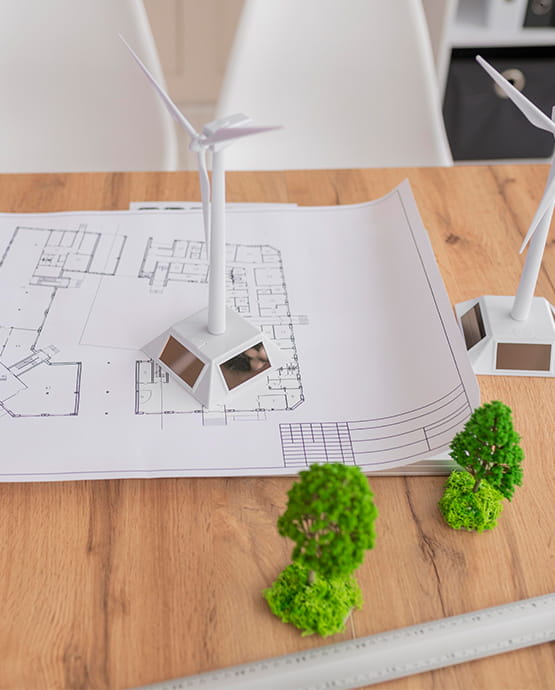
Rooftop solar helps you use sunlight to power daily needs and cut electricity bills. Panels run lights, fans, and small appliances during the day. Grid use drops, and load shedding feels less stressful. Monthly costs fall steadily with regular use.

Strong sunlight across Bangladesh makes solar a practical home choice. Daytime power covers most common activities. I notice better control over energy use during peak hours. Homes stay active even during short power cuts.
Solar systems allow you to start small and grow later. A basic setup handles lights and fans first. More panels can add fridge or router use. This approach spreads cost while savings build over time.
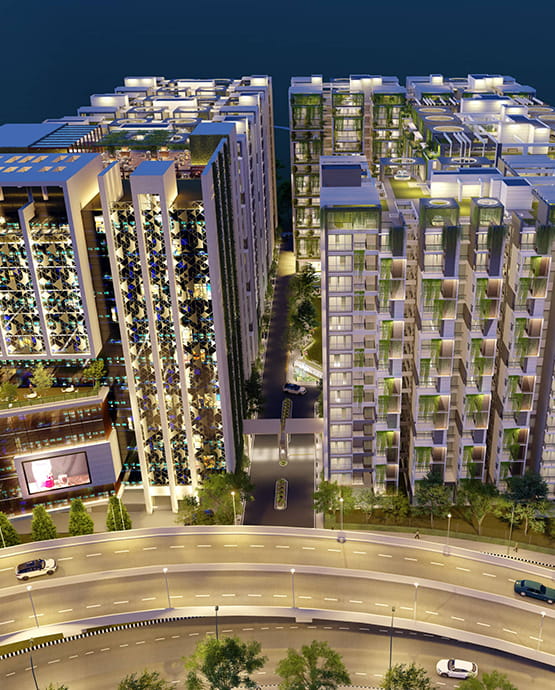
Rooftops planned early make solar easier to add later. Clear space, proper angle, and wiring access matter. Projects by Tropical Homes often keep rooftops ready for future solar needs.
Water-Saving Fixtures That Reduce Pump Use
Water-saving fixtures help you cut water use and reduce electricity costs together. Pumps run less when water flow stays controlled. You save money without changing daily habits. Bathrooms and kitchens feel the same, yet monthly bills drop steadily.

Low-flow taps and showers limit water use while keeping strong pressure. You still get a full wash without a longer time. Less water use means shorter pump cycles. Power use drops with every tap turn.
Dual-flush toilets reduce water waste with each use. You choose less water for light use and more when needed. This simple control lowers daily water demand. Pumps work fewer hours across the week.
Shorter pump run time brings clear benefits. Motors face less wear and last longer. Noise reduces during early mornings or nights. You’ll notice smoother water supply with fewer sudden pressure drops.
These fixtures fit easily into most homes. Installation stays quick and affordable. You do not need pipe changes in most cases. Savings begin from the first month and continue long term.
Energy-Efficient Appliances for Everyday Use
Energy-efficient appliances help you cut electricity bills while keeping daily comfort intact. New refrigerators, washing machines, and air units use less power for the same tasks. Cooling and washing feel smoother. I see bills stay more steady across seasons.

Older appliances draw extra power as parts wear down. Motors run longer and waste electricity. You pay more without getting better results. Replacing these units reduces hidden power loss at home.
Daily-use appliances bring the biggest savings. Refrigerators run all day and air units work for long hours. Efficient models handle this load with less energy. Power use drops without any change in routine.
Replacing one appliance at a time keeps spending under control. You spread costs while savings start early. Each upgrade adds another layer of monthly relief. This approach suits most household budgets.
Energy rating labels make buying easier. Higher ratings show lower power use over time. You compare options quickly and avoid poor choices. This simple step protects both money and comfort.
Natural Ventilation and Daylight Planning
Natural ventilation and daylight planning reduce power use without machines. Smart window placement brings fresh air and natural light indoors. Rooms stay cooler, brighter, and more comfortable. You rely less on fans and lights during daytime hours.

Cross airflow helps move heat and moisture out of living spaces. Air enters from one side and exits from another. You feel steady air movement instead of trapped heat. Indoor spaces stay fresher for longer periods.
Daylight planning cuts the need for artificial lights during the day. Sunlight reaches living rooms, kitchens, and hallways. You save electricity without changing habits. Spaces feel open and pleasant from morning to evening.
This layout suits local weather conditions very well. Warm air escapes more easily in most seasons. Many newer homes now follow airflow paths in design. You gain comfort and savings through smart planning alone.
Roof Insulation to Control Indoor Heat
Roof insulation helps you control indoor heat and cut power use at the same time. Concrete roofs take in heat all day and release it slowly. Insulation blocks that heat movement. Rooms stay cooler for longer hours. Fans and air units run less, which lowers monthly bills.

Indoor comfort improves because heat enters your home much slower. Daytime rooms feel calmer and nights stay easier to sleep through. I notice fewer hot spots near ceilings. Living spaces feel more balanced without constant fan use.
Several insulation options work well for homes in Bangladesh. Reflective sheets reduce heat entry from direct sun. Foam layers slow heat flow through concrete slabs. Insulated ceilings add comfort in top-floor rooms with simple installation.
This upgrade fits both new builds and older houses. Installation stays quick and does not disrupt daily life. I see results within weeks during warm months. Lower power use continues year after year with little upkeep.
Final Thoughts
Eco-friendly home upgrades help you save money while improving daily comfort. Insulation, LED lights, solar power, water-saving fixtures, efficient appliances, and smart layout reduce monthly bills. You get steady savings without changing how you live.
Each upgrade works best when added step by step. Small changes bring quick relief on power and water costs. I see long-term value grow as upgrades build on each other. Comfort improves while expenses stay under control.
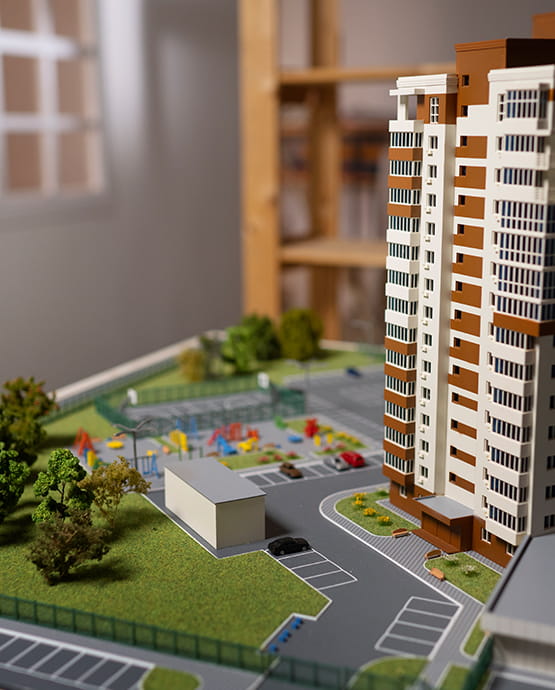
Homes planned with care make these upgrades easier. Proper layout, roof design, and utility planning matter from the start. Projects by Tropical Homes focus on local needs, helping you balance savings, comfort, and daily living.