How Structural Safety Impacts Your Property Value
- Dec 9, 2025
- Posted by: Tropical Homes
- Category: blog
Strong homes stand the test of time. Buyers want a home that feels safe, solid, and ready for long use. You may not always see the hidden parts of a building, but they shape how much your property is worth. Structural safety has a direct link to value, trust, and long-term comfort.
Structural safety raises property value because a strong base, solid walls, and stable floors cut repair costs and build buyer trust. Homes with safe structures last longer, feel better to live in, and attract higher offers since buyers see less risk.
Now let’s walk you through how each part of a safe structure shapes long-term value and helps your home stand out.
What Structural Safety Means
Structural safety shows how well your home holds weight, handles stress, and stays stable over time. In Bangladesh, this links to BNBC 2020 rules that guide safe design and right load plans. Strong work keeps you safe, lowers repair needs, and protects long-term property value.

A safe structure depends on firm parts like the foundation, columns, beams, slabs, and roof. Expert structural engineers check each step and review site data to see how the building will act under stress. Their work helps the frame stay steady through daily use and harsh weather.
Many trusted builders like Tropical Homes use BUET-tested steel, cement, and concrete mix to keep the base and frame strong. Safe materials spread stress in a clean way and prevent deep cracks or uneven floors. This reduces sudden fixes and gives you a more stable and comfortable home.
Why Buyers Care About a Safe Structure
Buyers care about a safe structure because it gives clear peace of mind. They want a home that stays steady and shows no signs of stress. A strong frame proves the builder used good work and safe methods. This builds trust and helps your property hold a higher price.
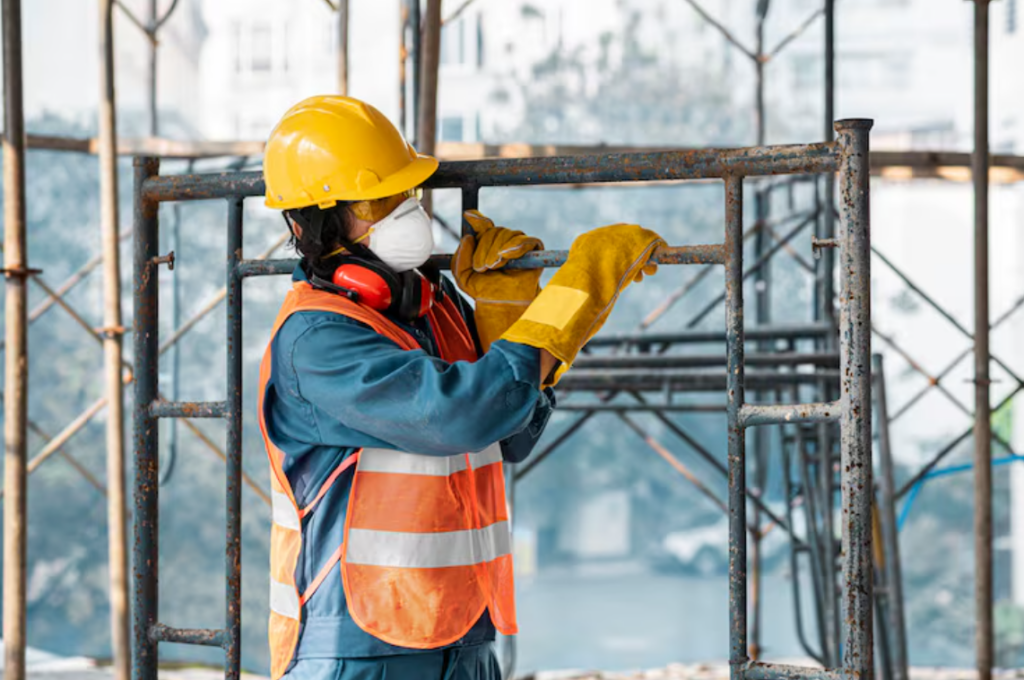
Buyers feel more sure when they see no cracks, sagging floors, or weak joints. A safe structure shows the home can handle weight and daily use. This lowers fear of sudden repairs and makes the buyer more ready to pay a fair price.
A strong structure signals that the builder used good materials and followed set rules like BNBC. This tells buyers the home was built with care and tested methods. That level of care protects long-term value and keeps the building safe for daily life.
A trusted structure draws more buyers because people want safety. They prefer homes that stand firm during storms, load changes, or normal wear. A safe frame sends a clear message that the home will last, which creates demand and supports better offers.
Higher Value Due To Lower Risk

Homes with safe structures gain higher value because buyers see lower risk and fewer future costs. A clean frame with no deep cracks or weak joints sends a clear signal that the home will hold up well. This confidence pushes buyers to offer more since they feel safe from sudden repairs.
Even small faults can push your price down because they hint at deeper issues. A weak beam, uneven floor, or water-marked wall makes buyers fear long fixes. A home built with firm parts and steady load support removes that fear and draws higher bids with less effort.
Long-term Savings Increase Value
A strong structure saves you money over many years because it avoids sudden damage and keeps repair work low. Buyers see this long-term gain as part of the home’s value. A safe frame brings fewer shocks, stays stable, and makes the property far more appealing.
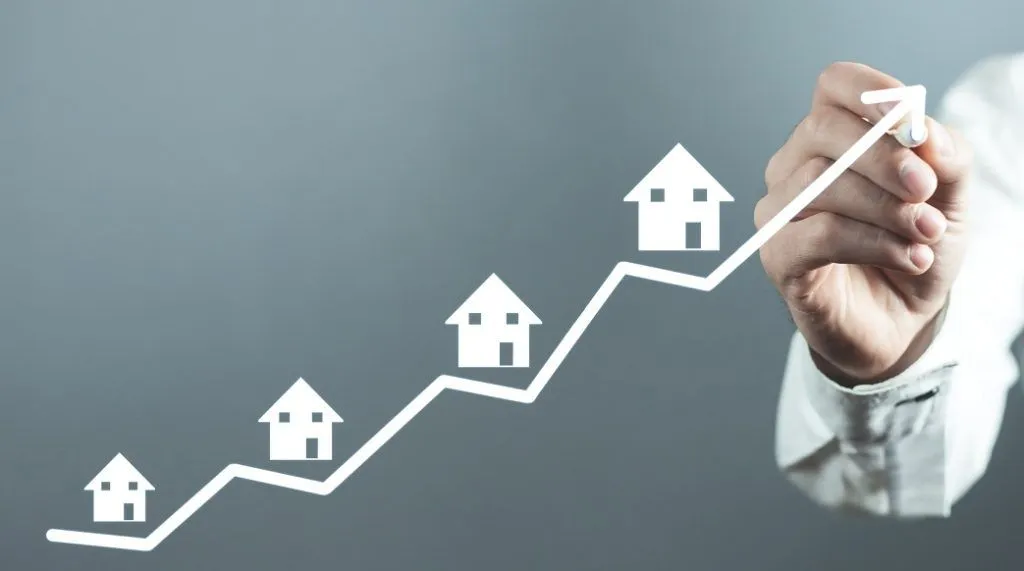
Homes built with firm joints, steady load paths, and quality materials face fewer leaks, broken tiles, or sinking spots. This cuts yearly upkeep and keeps the building in good shape. Buyers pay more for that steady comfort since they expect fewer costly fixes.
Better Safety Means Better Living
A safe home raises daily comfort because every part feels steady and sound. You walk on firm floors, hear fewer odd sounds, and feel calm during rain or wind. This steady comfort makes the space easier to enjoy and adds real value for any buyer.

Strong walls and tight joints stop doors from sticking and windows from shaking. You move through each room with ease because the frame stays firm. This simple comfort matters to buyers who want a home that feels smooth and stable every day.
A safe structure lowers stress during storms because the frame holds strong under pressure. You worry less about leaks, cracks, or falling parts. This calm and steady living experience adds clear appeal and makes buyers more willing to pay a higher price.
Good Structural Reports Boost Trust
Good structural reports raise trust because they show clear proof that the home stands strong and meets safe load limits. A clean report from trained engineers removes doubt and tells buyers the building can handle long use without hidden faults.

Many buyers compare homes based on these reports because they want steady value and fewer risks. Strong scores give your property an edge by showing solid work, safe materials, and tested parts. This trust leads to better offers and quicker decisions.
Quality Construction Raises Market Appeal
Quality construction raises market appeal because it shows clear care in each stage of the work. Safe soil tests, firm foundations, and steady load plans help the home stay strong for decades. This lasting strength makes buyers feel safe and lifts your resale value.

Homes built with tested materials and trained engineers draw more interest because they stay stable under stress. Strong beams, tight joints, and clean finish work create steady comfort and lower long-term repair needs. Buyers pay more for that mix of safety and dependability.
Renovation Becomes Easier And Cheaper
Strong structures make future changes easier because the frame can handle new loads and shifts without trouble. You can plan room adds, layout changes, or floor upgrades with less risk. Buyers see this freedom as added value since the home can grow with their needs.
A steady base and firm beams let you remove walls or add light partitions without harming balance. This cuts cost because engineers spend less time fixing weak points. Clear load paths also reduce the need for deep repairs before starting new work.
Homes built with tested steel, tight joints, and clean concrete mixes handle upgrades with fewer surprises. You avoid hidden cracks or sinking spots that slow down work. This smooth process saves money and makes the home feel more useful for long-term plans.
Structural Damage Hurts Your Reputation As A Seller
Structural damage lowers your reputation as a seller because buyers share what they see. Cracks, weak beams, or loose tiles spread doubt and push demand down. A clean and safe structure builds a good name, draws steady interest, and helps you close deals faster.

Buyers trust homes that look firm and stay stable during checks. Agents also highlight strong reports and clean frames because they show care and long-term safety. This trust raises your standing in the market and supports a better selling price.
Smart Maintenance Protects Value
Smart maintenance protects value because small fixes stop small issues from turning into deep damage. You care for cracks, leaks, and blocked drains early, which keeps the structure firm. Buyers trust homes that show steady care and offer fewer hidden costs.

Fixing hairline cracks, sealing joints, and checking roof edges keep water out and protect the frame. These simple steps stop weak spots from spreading. A dry and steady surface proves the building can handle stress without sudden trouble.
Clear drainage, clean pipes, and quick leak repair also guard the base from soil washout or floor sinking. This routine care keeps the load path steady and lowers future repair bills. Buyers see this as added value because the home needs less work in the long run.
Final Thoughts
Structural safety shapes property value because it affects comfort, trust, and long use. A strong home stays steady, needs fewer fixes, and gives buyers a clear sense of safety. This mix raises demand and helps your property hold its price as the years pass.
A firm frame with tested materials and clean joints lowers yearly repair needs. You avoid deep cracks, loose floors, or water damage that can scare buyers away. This steady base turns the home into a safer long-term choice, which supports better offers.
Safe structures also improve daily living because each space feels calm and stable. Doors close clean, floors stay level, and storms cause less worry. Buyers pay more for this comfort since it creates a home that feels ready for many years of easy use.